

Places to Visit in Sakleshpur: The Complete Travel Guide
Sakleshpur is a hill station in Hassan district, Karnataka — about 220 km from Bangalore (4 – 4.5 hrs). Known for coffee and tea plantations, Manjarabad Fort, the floating church, and misty Western Ghats trails.

If you are looking for a hill station that does not feel overcrowded, does not demand a week off work, and still gives you lush green hills, misty mornings, ancient temples, and a quiet cup of filter coffee, Sakleshpur is the answer. People often call it the Switzerland of Karnataka, and once you are there, you will understand why.
This guide covers everything: what to see, how to get there, the best time to go, distances from Bangalore, Mysore, and Astagiri Homestay, and a few things most travel blogs leave out.
What Is Sakleshpur?
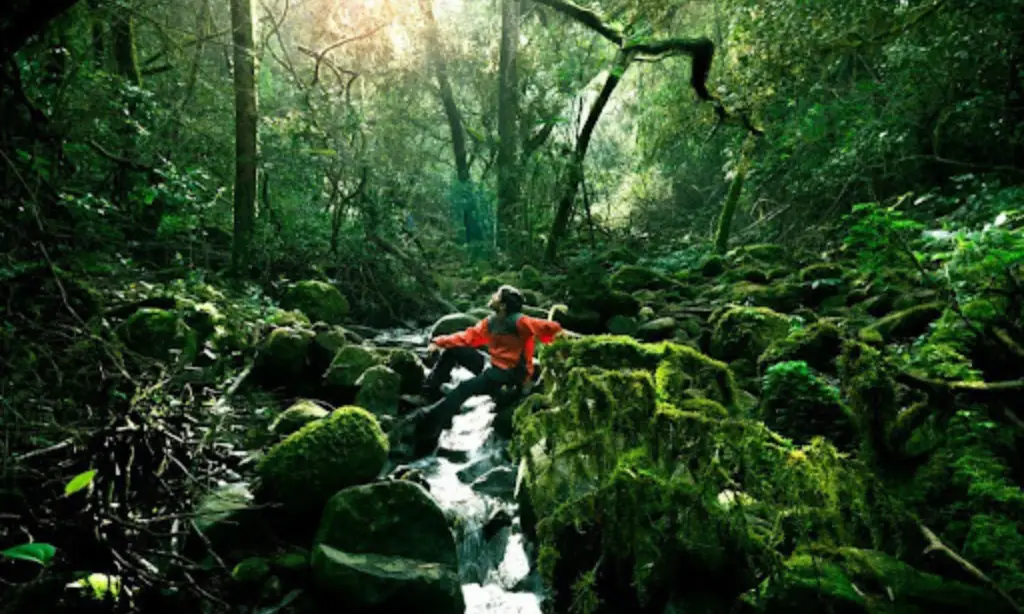
Sakleshpur is a hill station in the Hassan district of Karnataka, sitting at an elevation of around 3,000 feet above sea level in the Western Ghats. It is surrounded by coffee and tea plantations, misty valleys, and dense forests. The town is small and peaceful, and that is exactly what makes it special.
It is approximately 220 km from Bangalore, making it a perfect weekend trip – close enough to not be tiring, far enough to feel like a real getaway.
Distances at a Glance
| Bangalore | 220 km | 4 to 5 hours |
| Mysore | 155 km | 3 to 4 hours |
| Astagiri Homestay | 34 km | 45 minutes |
| Mangalore | 150 km | 3 hours |
How to Reach Sakleshpur
By Road (Most Recommended)
From Bangalore: Take NH48 (Bangalore–Mangalore Highway) towards Hassan. From Hassan, it is another 45 km to Sakleshpur. The road is well-maintained and largely a four-lane highway till Channarayapatna. The last stretch to Sakleshpur winds through scenic coffee estates – enjoy it. Total drive time is around 4 to 5 hours.
From Mysore: Take the route via Hunsur and Hassan. The drive is about 155 km and takes approximately 3 to 4 hours. It is a smooth, scenic road through the countryside.
From Astagiri Homestay: Astagiri Homestay is roughly 34 km from Sakleshpur, which is about a 45-minute drive. This makes Sakleshpur a very easy day trip from the homestay – head out in the morning, cover a few spots, and be back by evening.
By Train
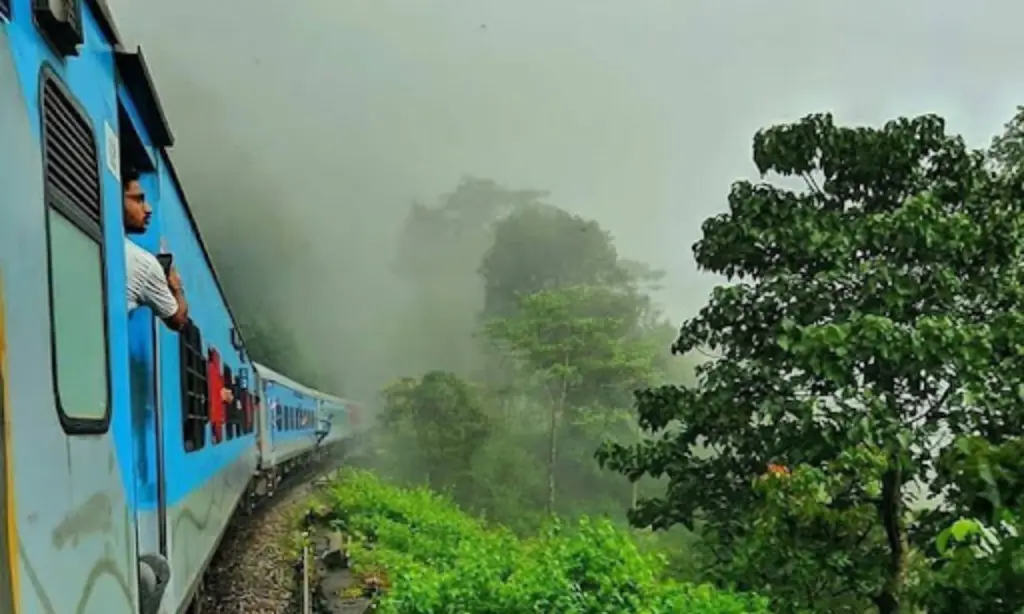
Sakleshpur has its own railway station on the Hassan–Mangalore rail route, which is considered one of the most scenic train journeys in India. The route passes through 58 tunnels, 109 bridges, and several beautiful waterfalls. Direct trains are available from Bangalore (KSR Bengaluru Station), and the journey takes approximately 5 hours.
By Bus
KSRTC (Karnataka State Road Transport Corporation) runs regular bus services from Bangalore’s Majestic Bus Stand and from Mysore to Sakleshpur. Private buses also operate on these routes. Bus travel from Bangalore takes around 5 to 6 hours depending on the service.
Best Time to Visit Sakleshpur
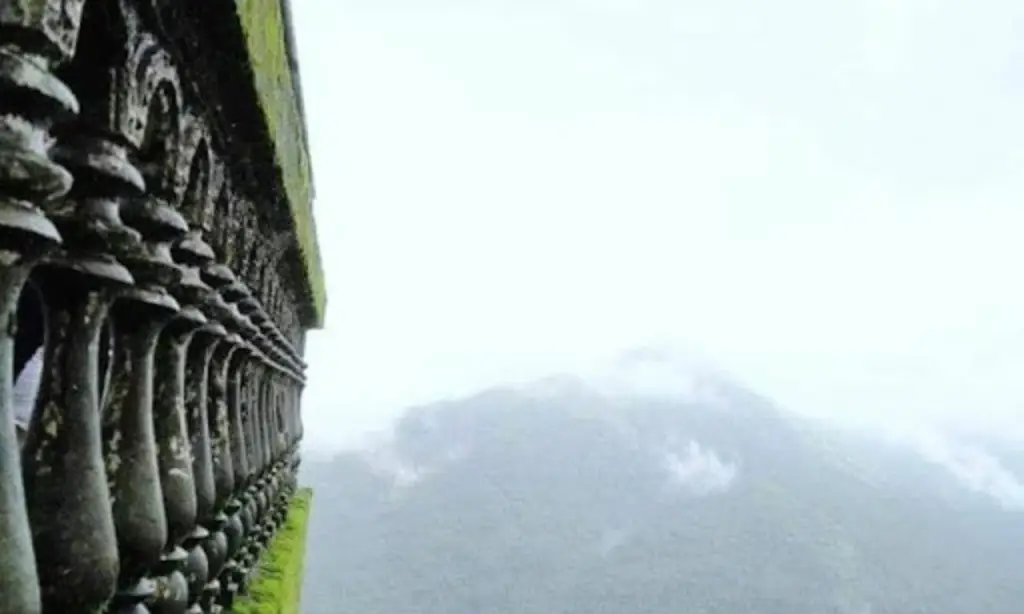
Monsoon (June to September): This is when Sakleshpur is at its most dramatic. The hills turn an intense shade of green, waterfalls are at full force, and the entire region is covered in mist. If you love rain and don’t mind wet paths, this is the best time.
Winter (October to February): This is the most comfortable time for most travelers. The weather is cool and pleasant, the skies are clear, and it is ideal for trekking and sightseeing. November and December are particularly good months.
Summer (March to May): While much of Karnataka heats up, Sakleshpur stays cooler than Bangalore and Mysore because of its elevation. It is a good time to visit if you want to avoid the monsoon crowds.
Places to Visit in Sakleshpur
1. Settihalli Church (The Floating Church)

One of the most photographed spots in Sakleshpur, the Settihalli Church sits inside the Hemavathi reservoir and appears to float on water — especially during monsoon when the water level rises and submerges the area around it. The church was originally built in 1860 by British missionaries in the village of Settihalli. When the Hemavathi dam was constructed, the village was submerged, but the stone structure of the church survived. It has been standing in the water ever since.
The best time to see the floating church effect is between July and October when the reservoir is full. You can hire a coracle (small round boat) to get closer to it.
Tip: Go early in the morning. The mist over the water combined with the old stone church makes for a view you will not forget.
2. Beddatta Bhairaveshwara Temple
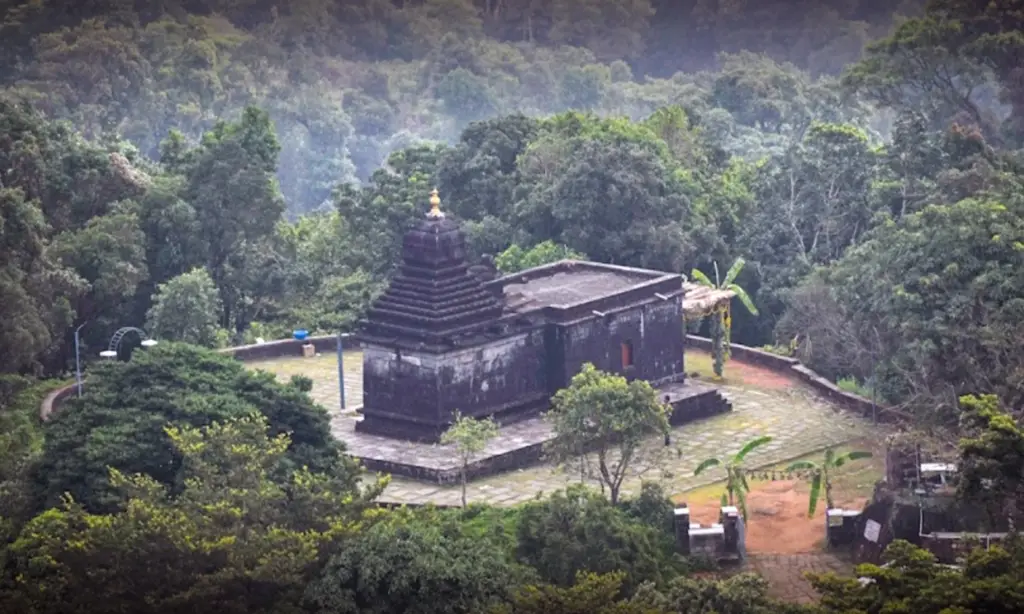
This is not a well-known temple on the tourist trail, which is part of why it is worth visiting. To reach the Beddatta Bhairaveshwara Temple, you have to climb a series of steps — so wear comfortable footwear. The temple is believed to be around 600 years old and has a strong spiritual presence.
It gained wider attention after being featured in Kannada film shoots, which brought more visitors in recent years. There is also a local legend that the Pandavas rested here for a short period during their exile, which adds to the historical and mythological significance of the place.
3. Manjehalli Falls
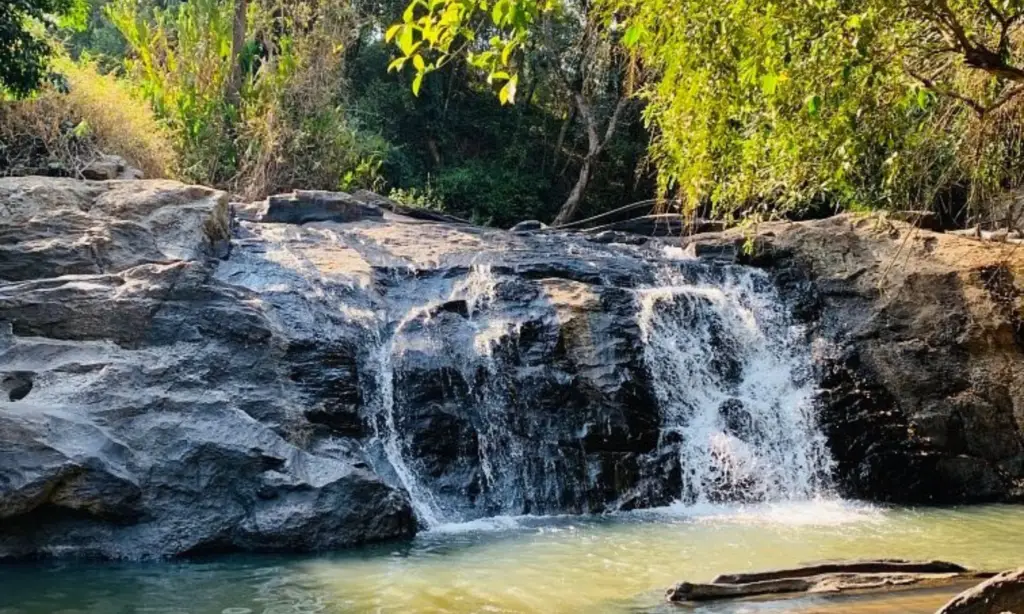
Located in Manjehalli village, about 21 km from Sakleshpur town, Manjehalli Falls is a straightforward and enjoyable stop. The waterfall drops from a height of around 21 feet and is surrounded by greenery. There is no entry fee, and you can walk up fairly close to the falls.
It is most impressive during and right after the monsoon (July to October), when the volume of water is at its highest. In the summer months, the flow is reduced but the spot is still peaceful and scenic.
The drive to Manjehalli village itself is quite beautiful — coffee and pepper estates line most of the route.
4. Bisle Ghat
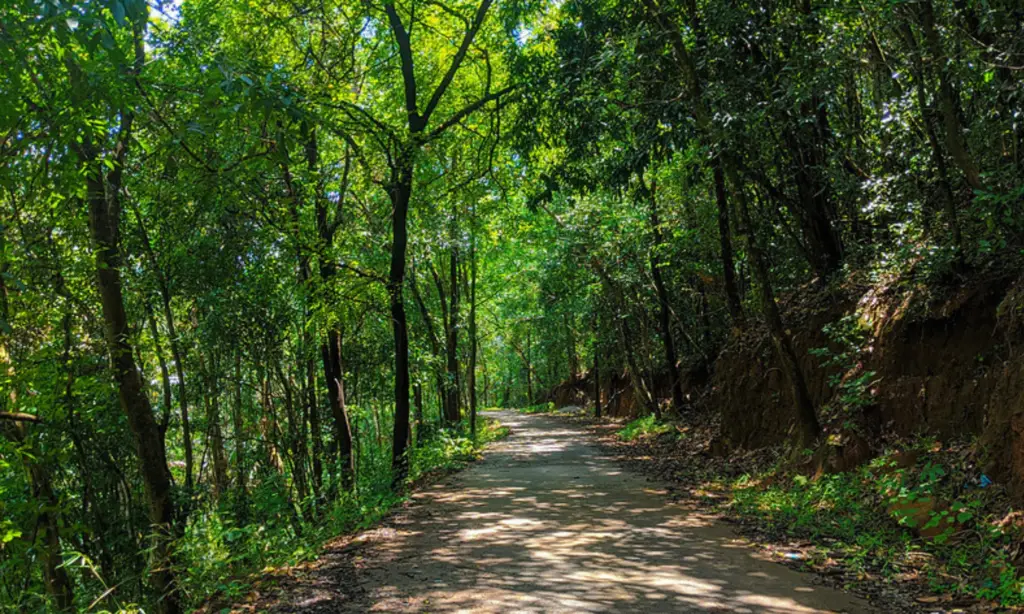
If there is one place in Sakleshpur that earns the title of a must-visit, it is Bisle Ghat. Located about 65 km from Sakleshpur town, on the road between Subramanya and Sakleshpur, this ghat pass sits at the edge of a spectacular viewpoint in the Western Ghats.
On a clear day, you can see three mountain ranges from the viewpoint — Kumara Parvatha, Pushpagiri, and Doddabetta — all lined up in the distance. The forest here is part of a protected biodiversity hotspot, so the greenery is dense and undisturbed.
Tip: Start early. Mornings give you the best visibility. By afternoon, clouds and mist tend to move in (which is beautiful in its own way, but you want the view first).
5. Patla Betta
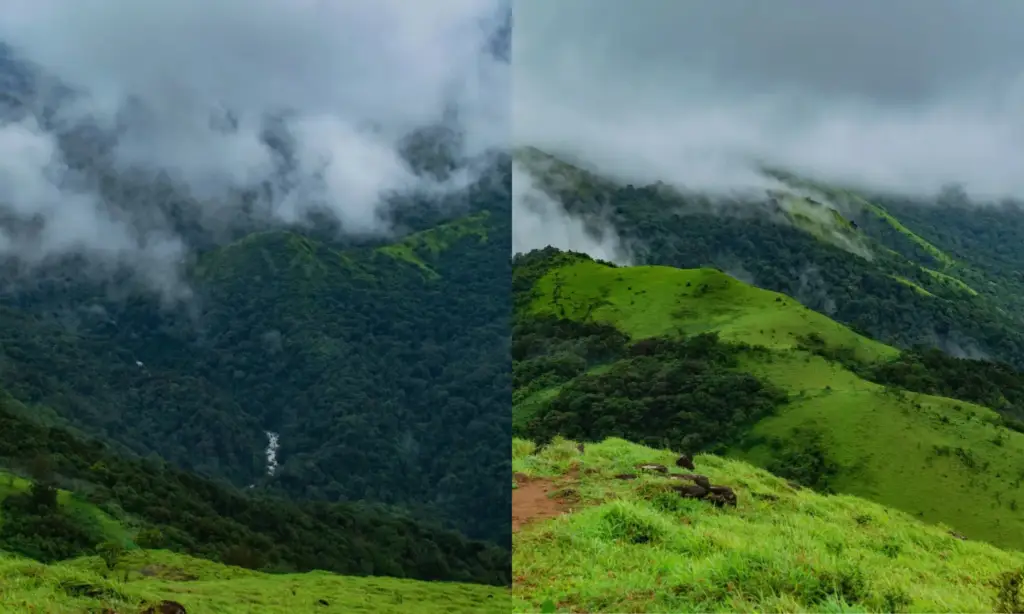
On the same route as Bisle Ghat, you will find Patla Betta — a hilltop viewpoint that is genuinely worth the detour. Private vehicles are not permitted here, so you will need to hire a jeep from the base. Jeep charges are typically around ₹800 per trip.
From the top of Patla Betta, you can see across four districts: Chikmagalur, Hassan, Madikeri, and Kukke Subramanya. On a clear day, the 360-degree view is outstanding.
6. Manjarabad Fort
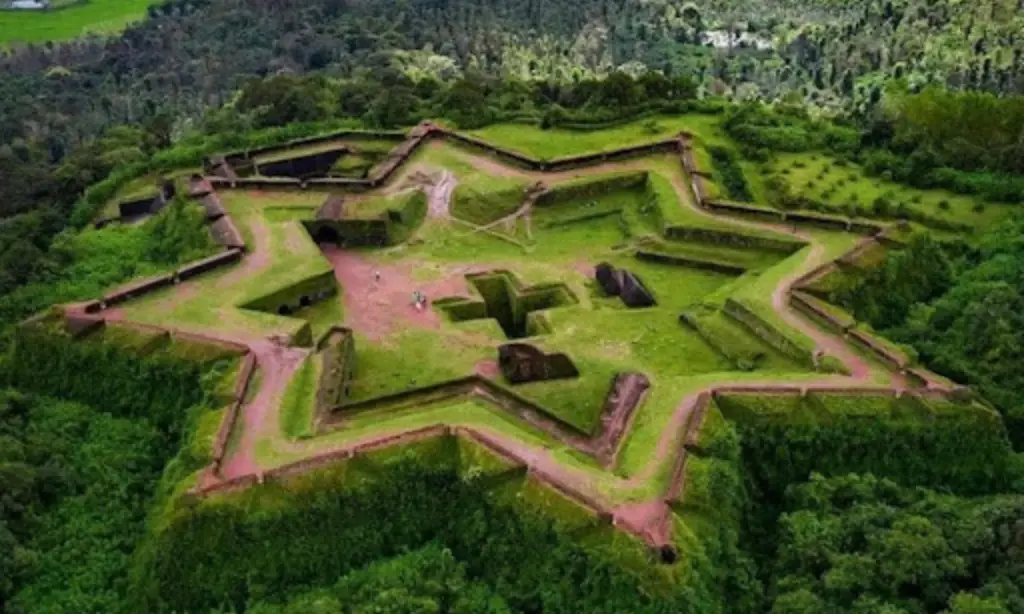
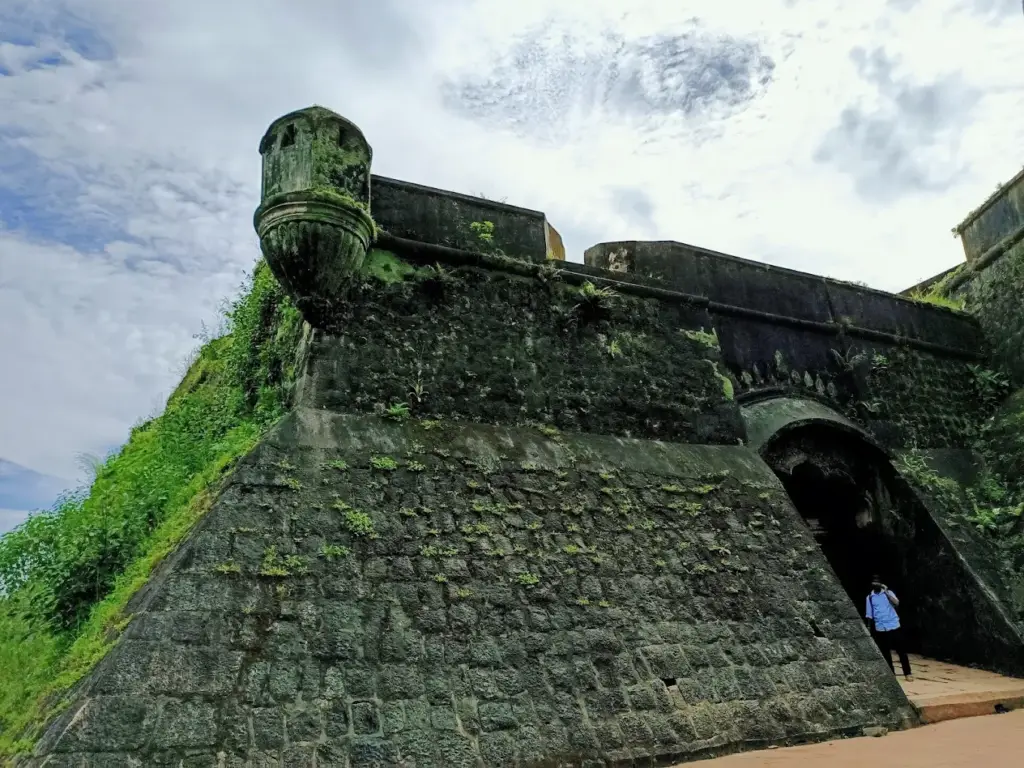
Manjarabad Fort is one of the most interesting historical landmarks in the entire Hassan district, and it sits right on the outskirts of Sakleshpur town about 7 km from the town center. You will need to climb around 200 to 220 steps to reach the fort from the base.
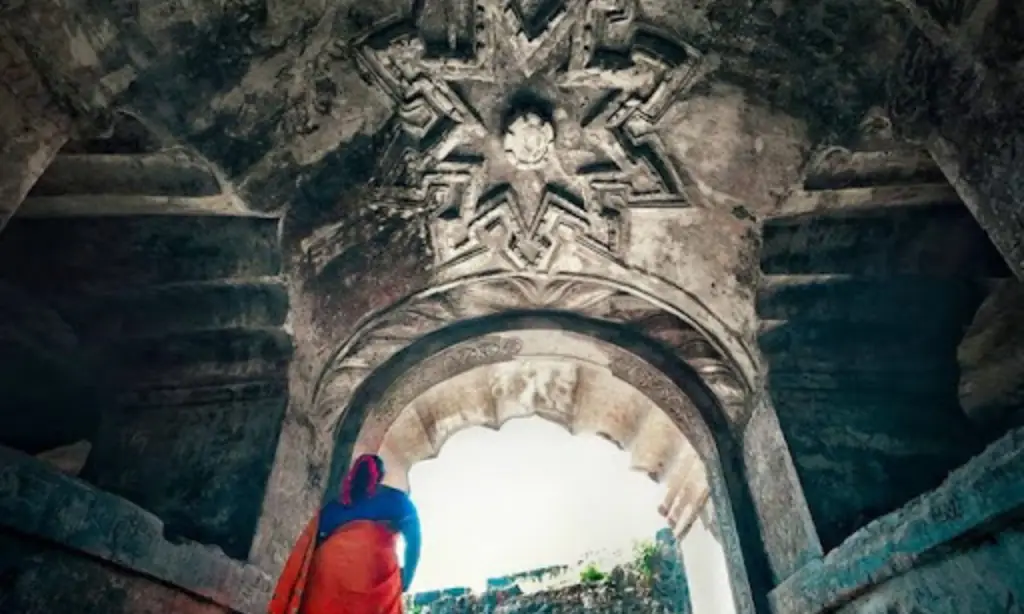
The fort was built in 1792 by Tipu Sultan, constructed by his soldiers in a single day. It is built in a star shape, an eight-pointed design inspired by French military architecture developed by the military engineer Sébastien Le Prestre de Vauban. The design was strategic: the star-shaped walls deflect cannon fire and allow defenders to cover every angle without blind spots. Tipu Sultan, who had French allies, used this design to build one of the strongest frontier outposts of his time.
How did the name Manjarabad come about?
When Tipu Sultan visited the fort after it was completed, the entire structure was wrapped in thick mist. He reportedly exclaimed “Manju!” — the Kannada word for mist or fog. The fort was then named Manjarabad, meaning “city of mist.” The name stuck, and the fort continues to live up to it — especially during the monsoon months when it is almost always shrouded in clouds.
From the fort, on a clear day, you can even spot the Arabian Sea in the far distance.
Important: Drones are not allowed inside the fort premises.
Entry: Free. Open from 8 AM to 6 PM. Maintained by the Archaeological Survey of India.
Things You Might Miss (But Should Not)
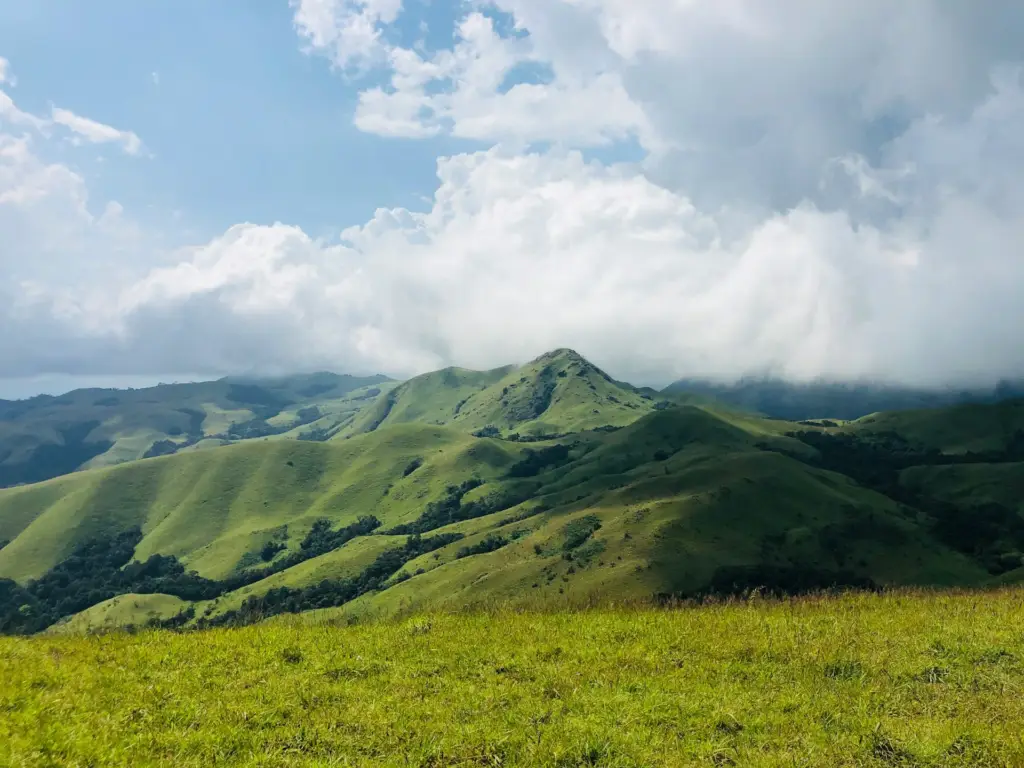
The Sakleshpur–Hassan Rail Route: If you have the flexibility to take a train for at least one leg of your journey, do it. The Hassan to Sakleshpur (or Sakleshpur to Mangalore) section of the railway passes through 58 tunnels, 109 bridges, and over 25 waterfalls. It is one of the most scenic rail routes in South India and something that no road trip can replicate.
Coffee Estate Walks: Sakleshpur sits in the middle of one of Karnataka’s most productive coffee-growing regions. Many homestays and resorts in the area offer morning walks through their estates. The smell of coffee in bloom, the low mist, and the cool air in the early morning is an experience that does not require any planning or fees.
Sakaleswara Temple (Town Center): The Sakaleswara Temple in Sakleshpur town is the one that gave the town its name. It is a Shiva temple with a history tied to the Hoysala period. It is calm, well-maintained, and easy to visit since it is right in the center of town. Most people walk past it on their way to other places — do not.
Magajahalli Waterfalls: A lesser-known waterfall about 9 km from town. Fewer visitors, accessible during monsoon, and surrounded by thick forest. If you want a quiet spot away from the usual tourist flow, this one delivers.
Staying Near Sakleshpur: About Astagiri Homestay
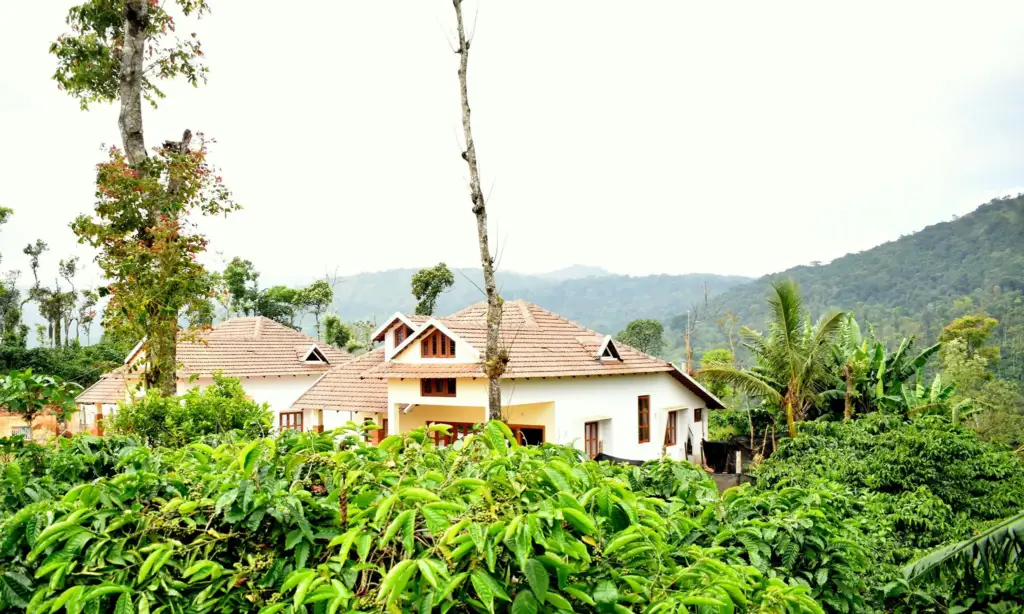
Astagiri Homestay is located in the Mudigere area of Chikmagalur, about 34 km from Sakleshpur. It sits amidst coffee estates with views of the Sahyadri hills, a private natural river running through the property, and forest cover on all sides.
From Astagiri Homestay, Sakleshpur is an easy and scenic 45-minute drive – making it ideal to use the homestay as a base and explore Sakleshpur on a day trip. Distances from Astagiri Homestay:
- Sakleshpur: 34 km (45 minutes)
- Bangalore: 237 km (5 hours 20 minutes)
- Mysore: 154 km (4 hours 25 minutes)
- Mangalore: 165 km (3 hours 30 minutes)
Frequently Asked Questions
Two days and two nights is ideal. You can cover the main places comfortably without rushing, and still have time to just sit and enjoy the surroundings.
Yes. While waterfalls will have less water in summer, the weather remains cooler than Bangalore and Mysore, and you will find fewer crowds. Coffee estates are still beautiful, and most sightseeing spots are accessible.
Yes, entry into the Bisle Reserve Forest core area requires a permit from the Forest Department. The viewpoint itself is generally accessible, but check with local authorities or your stay before planning a deep forest visit.
There is no entry fee. The fort is free to visit and maintained by the Archaeological Survey of India.
Drones are not allowed at Manjarabad Fort. For other locations, check local regulations before flying.
Yes. Sakleshpur is a small, quiet town and is generally considered safe for solo travelers, including solo women travelers. The locals are friendly, and it is not a chaotic destination.
Light layers (it can get cool at night even in summer), good walking shoes, a rain jacket if visiting during or after monsoon, sunscreen, and a power bank. Mobile network can be patchy in some areas.
No, they are different hill stations in neighboring districts. Sakleshpur is in Hassan district, while Chikmagalur is in Chikkamagaluru district. They are about 60 to 70 km apart and can be combined in a longer trip.
Yes. Both are on the same route from Sakleshpur. Start early, and you can cover both in a day and be back by evening.