

Best Time to Visit Chikmagalur - Month-by-Month Rainfall, Crowds & Waterfall Flow
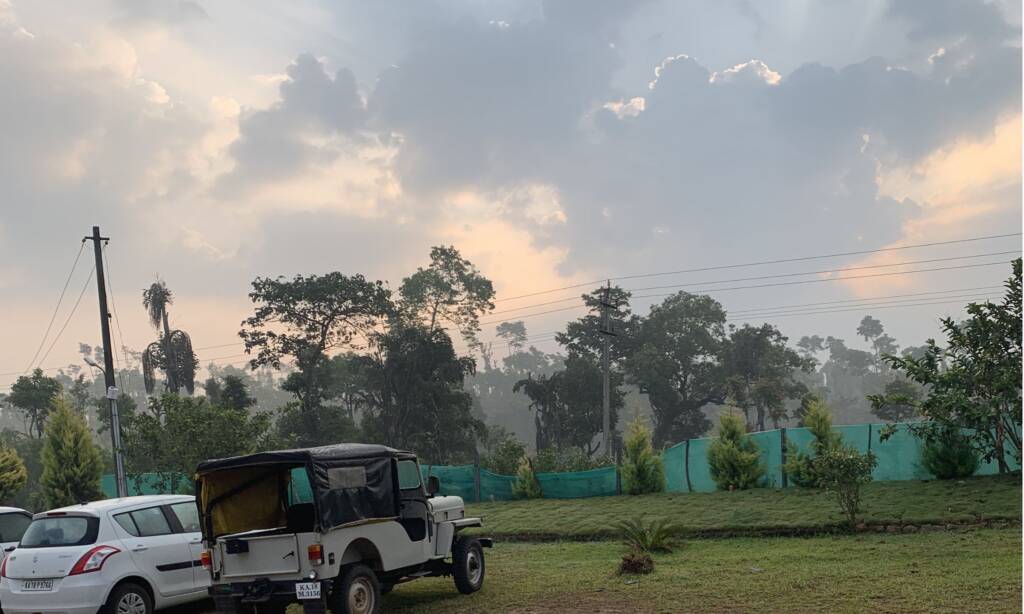
The best time to visit Chikmagalur is October to February for pleasant weather and coffee-harvest season, or June to September if you want to see waterfalls – including Astagiri’s private waterfall – at full flow.
Avoid March–May if you’re heat-sensitive, since temperatures peak before the monsoon arrives.
What's the Weather Like in Chikmagalur Through out the Year?
Chikmagalur sits in the Western Ghats, so its weather swings more than most Karnataka hill destinations. Summers get warm and dry, the monsoon arrives hard between June and September, and winters turn genuinely cool – cool enough for light jackets in the early mornings. Because of this range, “best time” really depends on what you’re visiting for: waterfalls, weather, or the coffee harvest. Here’s how each season plays out.
| Season | Months | Weather | Waterfall Flow | Crowd Level |
| Monsoon | Jun–Sep | Wet, cool | Strongest | Low |
| Winter | Oct–Feb | Cool, dry | Moderate | High (peak Dec) |
| Summer | Mar–May | Hot, dry | Weakest | Low |
When should you visit if you want to see the waterfall at its best?
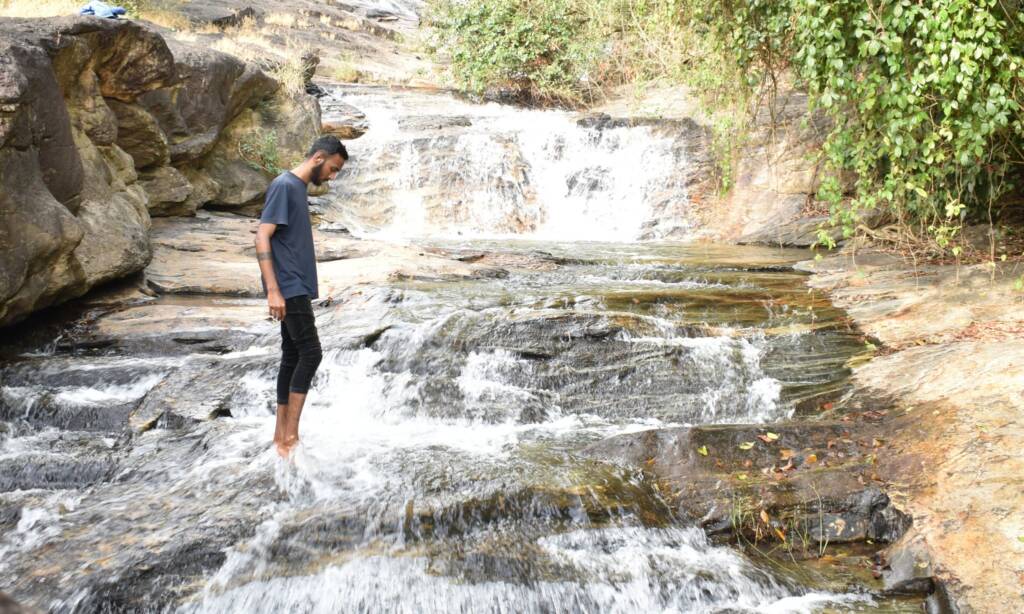
July and August bring the heaviest monsoon rainfall, which means the strongest flow at Astagiri’s private waterfall. This is also when the estate looks its most dramatic — the coffee plants are a deep green, the air stays cool through the day, and the sound of running water carries across the property.
Visiting during this window does mean planning around rain. Expect overcast skies most days and short, heavy showers rather than constant drizzle. Roads to the estate remain accessible, but it’s worth packing accordingly (more on that below). By late September, the flow is still good but noticeably reduced from its peak, and by November it slows to a light stream until the next monsoon builds it back up.
If you’re planning a trip specifically to see the waterfall in full form, July–August is the window to book.
Best Months for Pleasant Weather
October through February is the sweet spot for most travelers. The rain has mostly stopped, the estate is still lush from the monsoon, and daytime temperatures sit in a comfortable range — cool enough to enjoy walks through the estate without the heat of summer or the constant showers of monsoon season.
From November onward, there’s an added draw: the coffee harvest gets underway. Guests staying during this period often get to see coffee cherries being hand-picked, sorted, and laid out to dry — something most visitors to Chikmagalur never get access to unless they’re staying on a working estate.
Early mornings in this season can get cold enough for a light jacket, especially if you’re up before sunrise for a walk. By February, temperatures start climbing again as the region heads toward summer.
Chikmagalur's Coffee Harvest Season
Coffee harvest typically runs from November through January, depending on the season’s rainfall pattern. During this time, the estate shifts into an active work rhythm — pickers move through the rows each morning, and processing happens on-site rather than being sent elsewhere. For guests, this means the chance to watch (and sometimes take part in) parts of the process, from picking to drying.
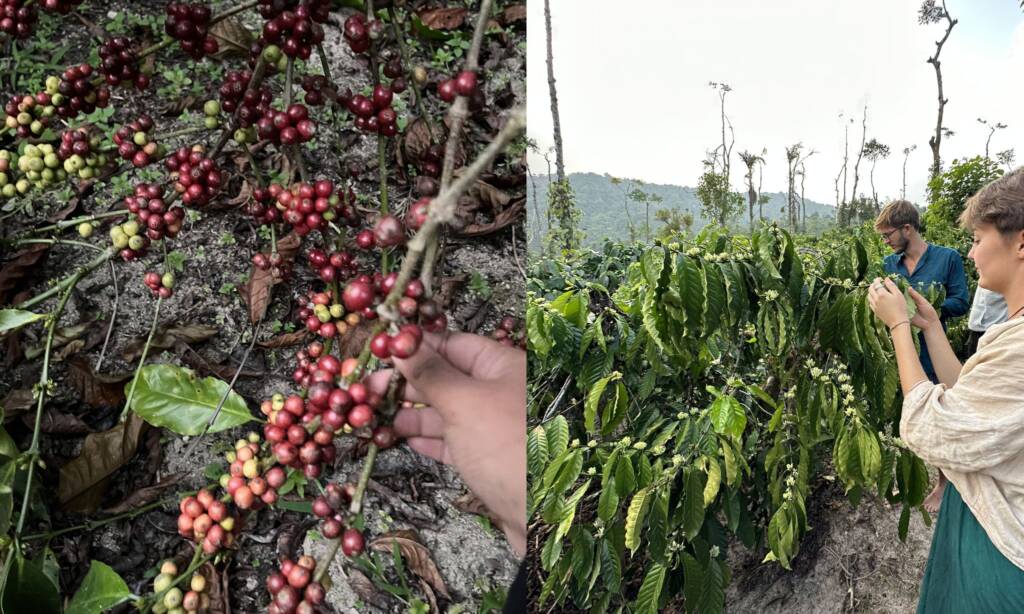
This is a distinct experience from the monsoon months — instead of waterfalls and rain, the draw here is watching a working estate in full swing, plus the added benefit of clear, dry weather for exploring the surrounding area.
When is Chikmagalur most crowded, and should you avoid it?
December and the October–November harvest season see the highest tourist numbers in Chikmagalur overall, especially around weekends and the year-end holiday period. Popular viewpoints and public waterfalls can get busy during this stretch.
If you’d rather have a quieter stay, July–September offers a noticeably calmer experience. Fewer travelers make the trip during monsoon season, so you’ll find yourself sharing the estate — and the waterfall — with far fewer other guests. The trade-off is the rain, but for many visitors, quiet time with a fully flowing waterfall is worth it.
Best Time for a Family Trip to Chikmagalur
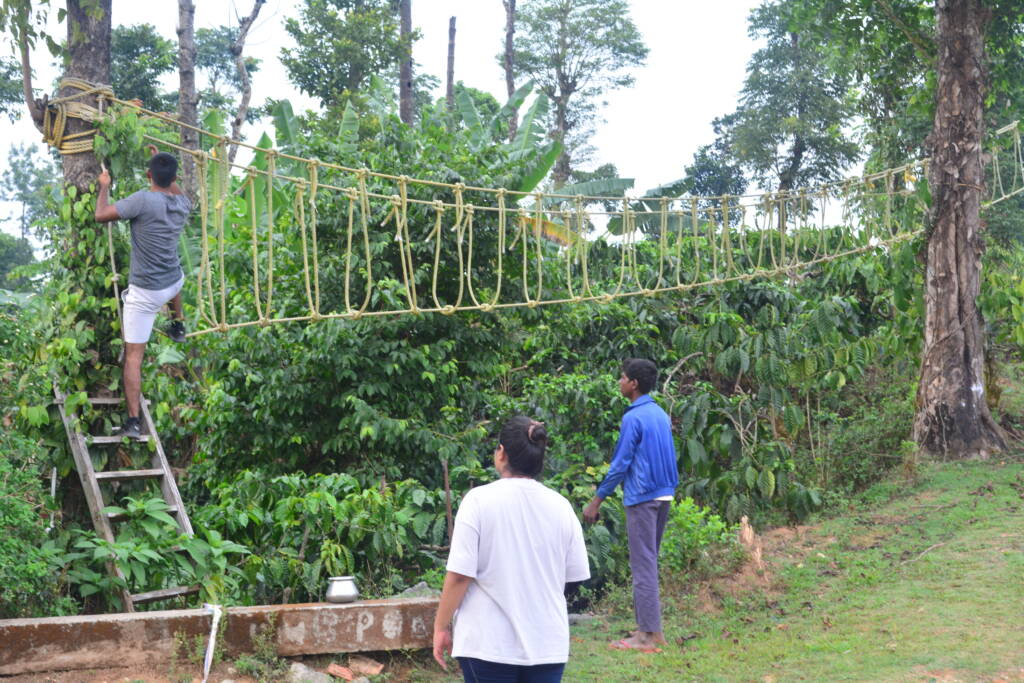
October through February works best for families. The weather is easier to plan around than the monsoon, there’s no risk of rain disrupting outdoor activities, and the coffee harvest (November–December) gives kids something genuinely different to see — not just sightseeing, but an actual knowledgeable experience for kids
How Many Days to Spend in Chikmagalur
Most visitors do well with 2–3 days – enough time to settle into the estate, visit the waterfall, and take a day trip to a nearby viewpoint or temple without feeling rushed. If you’re visiting during the coffee harvest (November–January) and want time to actually see the picking and drying process rather than just pass through, 3–4 days gives more breathing room. A single overnight stay works if you’re combining Chikmagalur with another destination on a longer Karnataka trip, but you’ll likely leave wanting more time on the estate.
What should you pack depending on when you visit?
Monsoon (June–September): A light rain jacket or poncho, quick-dry clothing, and shoes with good grip — the estate’s paths can get slippery. A change of clothes is worth keeping handy after any waterfall visit.
Winter (October–February): A light jacket or sweater for early mornings and evenings, since temperatures can dip more than first-time visitors expect. Daytime layers work well since it warms up by midday.
Summer (March–May): Breathable clothing and sun protection — this is Chikmagalur’s hottest, driest stretch, and it’s the one period where the waterfall and greenery are at their least dramatic.
How the Season Affects Travel to Chikmagalur
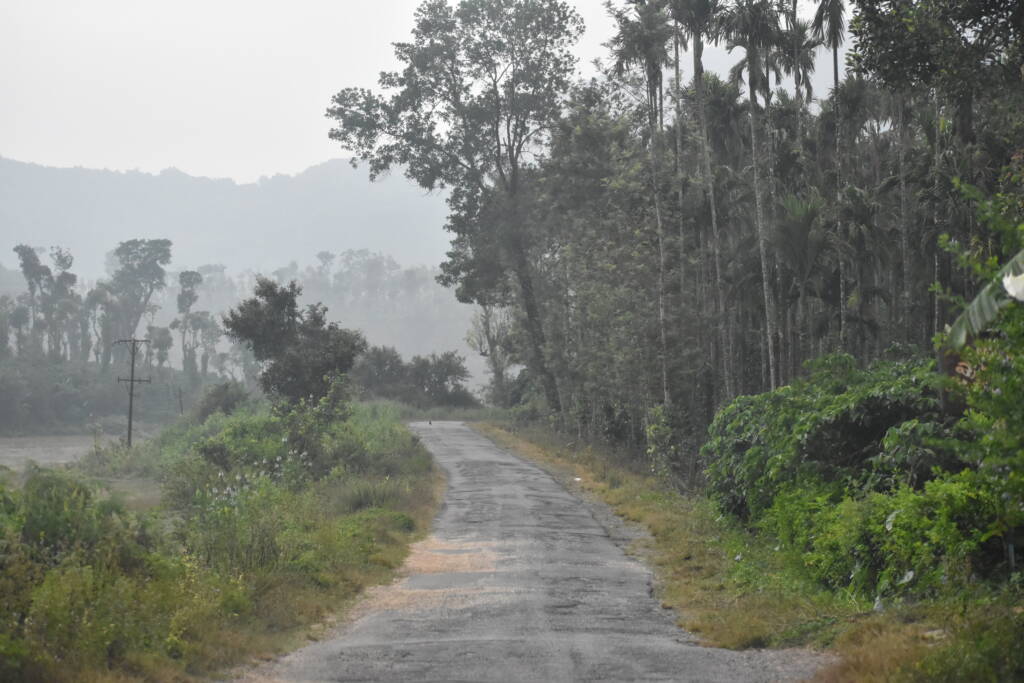
Yes, to some extent. During monsoon (June–September), heavy rain can slow travel on the ghat roads leading into the estate, so it’s worth building in extra time rather than cutting it close on arrival day. Roads remain passable, but sudden showers can reduce visibility and speed. Outside monsoon season, travel is straightforward with no weather-related delays. If you’re driving yourself during the rains, daylight travel is the safer choice over night driving on the estate roads.
Where to stay in Chikmagalur
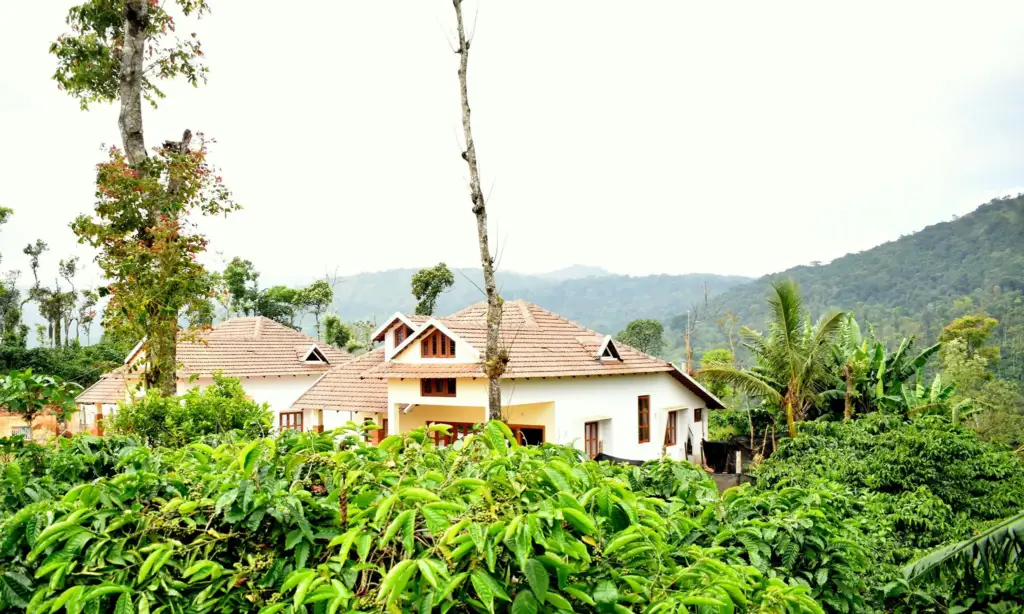
If you’re planning your trip around any of the seasons above, staying on a working coffee estate makes a real difference – you’re not just visiting Chikmagalur, you’re waking up inside it.
Astagiri Homestay offers exactly that: a private waterfall accessible right from the property, home-cooked Malnad meals, and a amazing view at the coffee harvest during season. Whether you’re visiting for the monsoon flow, the winter calm, or the November harvest, the estate itself becomes part of the experience rather than just a base to sleep in.
FAQs
October to February for pleasant weather, or June to September if you want to see the waterfalls at full flow.
October to February – the trails are dry, temperatures are cool, and visibility is clearest right after the monsoon.
It depends on the month – check the season breakdown above, or reach out and we can tell you exactly what conditions look like on the estate at the moment.
July to September. It’s the rainy season, but also the quietest time to visit, with the waterfall at its strongest.
