Mudigere, Chikmagalur: Your Complete Travel Guide to Karnataka's Coffee Heartland
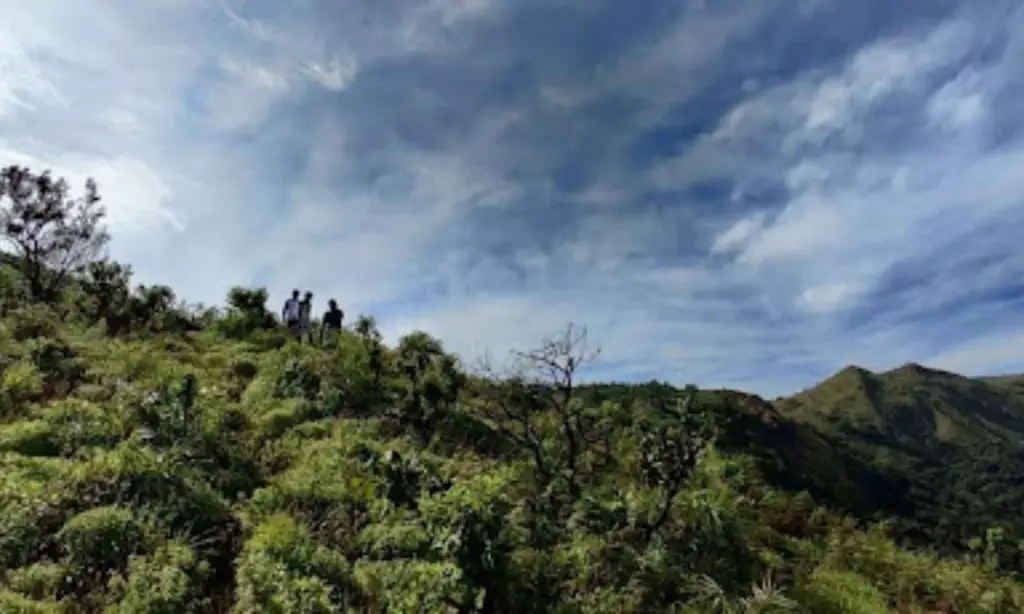
Mudigere is a small town in Chikmagalur district, Karnataka — 30 km from Chikmagalur town, about 5 to 6 hrs from Bangalore. It’s known for coffee estates, Devaramane Betta trek, and the Bhadra Wildlife Sanctuary.
There are places in Karnataka that most people drive past on their way to somewhere more famous. Mudigere is one of them – and that is exactly what makes it special.
Sitting about 30 kilometres southwest of Chikmagalur town, at an elevation of 990 metres (approximately 3,250 feet) above sea level, Mudigere is both a town and a taluk in the Chikmagalur district of Karnataka. It sits in the heart of the Malenadu region, surrounded by the Western Ghats on one side and sprawling coffee and black pepper estates on the other. NH-73 and NH-173 meet right at Mudigere, which makes it surprisingly easy to reach from Mangaluru, Tumakuru, or Chikmagalur.
Quick Summary
• Small coffee town in Chikmagalur district, Karnataka
• 267 km from Bangalore (5 to 6 hrs by car)
• Known for coffee estates, Devaramane Betta trek, Bhadra Wildlife Sanctuary
• Best time to visit: October to February
• Stay at Astagiri Homestay – inside a coffee estate in Mudigere
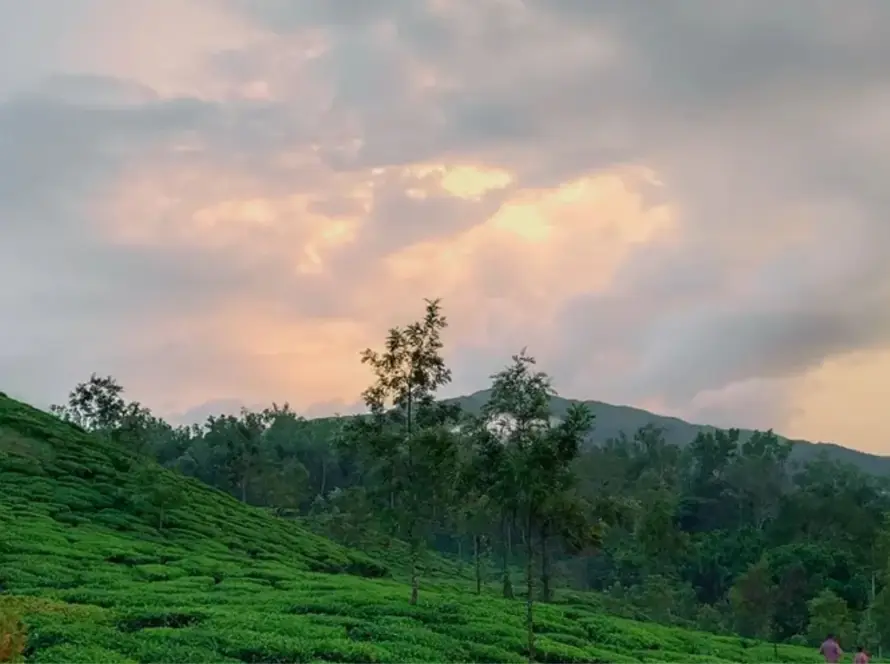
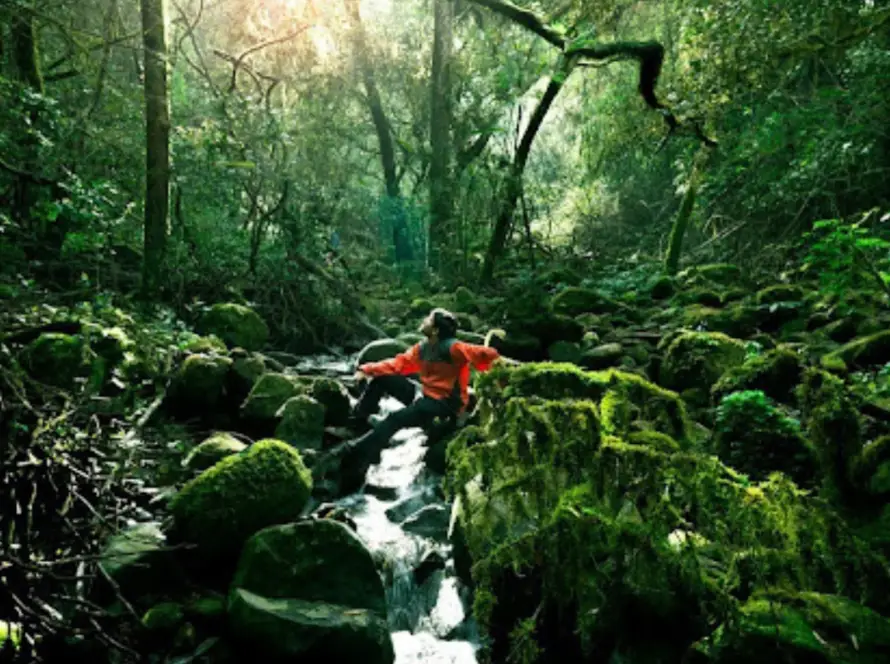
This is not a place that begs for your attention. It does not have a famous waterfall with a viral Instagram reel or a food street that trends every weekend. What it has is quieter and, more valuable – misty mornings over green hills, the earthy smell of wet coffee soil, centuries of history in a tiny village, and the kind of silence that reminds you why you wanted to travel in the first place.
Where Exactly Is Mudigere?
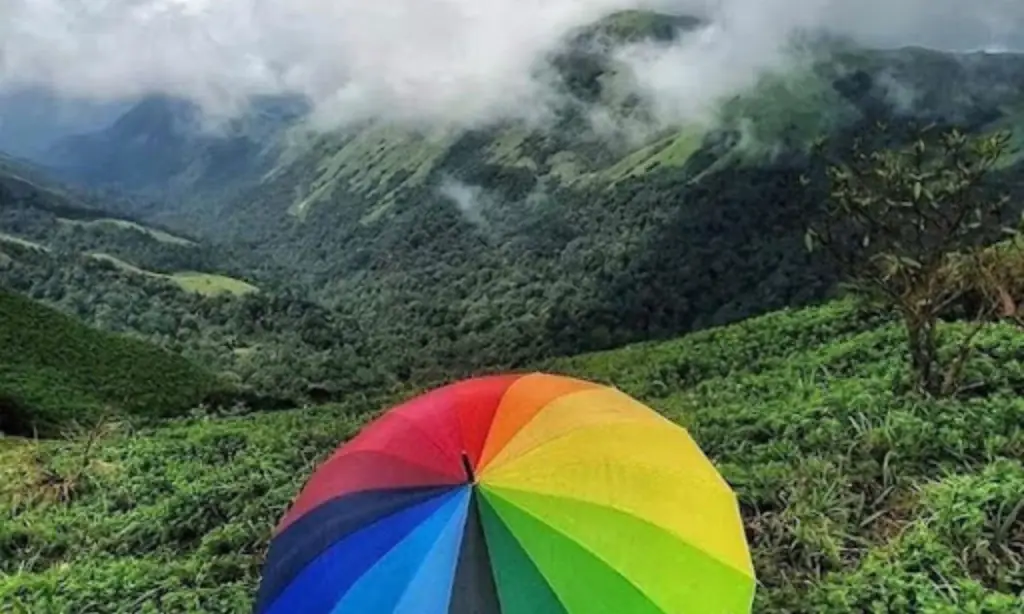
Mudigere is located in the Chikmagalur district of Karnataka, within the Malenadu (meaning: Land of rains) region. It is:
- 30 km southwest of Chikmagalur town
- Around 248 km from Bengaluru (approximately 5 to 6 hours by road)
- About 128 km from Mangalore International Airport — the nearest major airport
- On the route between Kottigehara and Kalasa, one of the most scenic drives in the Western Ghats
The nearest railway station is at Kadur, roughly 65 km away. Most visitors either drive in from Bengaluru or fly into Mangalore and drive down.
A Town With a Dynasty Behind It
Before Mudigere was known for its coffee, it was known for a legend — one that gave birth to one of the most powerful kingdoms in South Indian history.
The village of Angadi, a small hamlet in Mudigere Taluk (historically known as Sosevuru or Sasakapura), is believed to be the birthplace of the Hoysala dynasty. According to tradition, the dynasty’s name originated from the words “Hoy, Sala!” — meaning “Strike, Sala!” — shouted by his Jain guru Sudatta Muni when a young man named Sala encountered a tiger threatening the sage during worship. Sala is said to have slain the beast, establishing his bravery and giving rise to the royal emblem depicting the fight.
This act reportedly took place in the precincts of the temple of Goddess Vasantika at Sosevur, which is now the village of Angadi in Mudigere Taluk, Chikmagalur district.
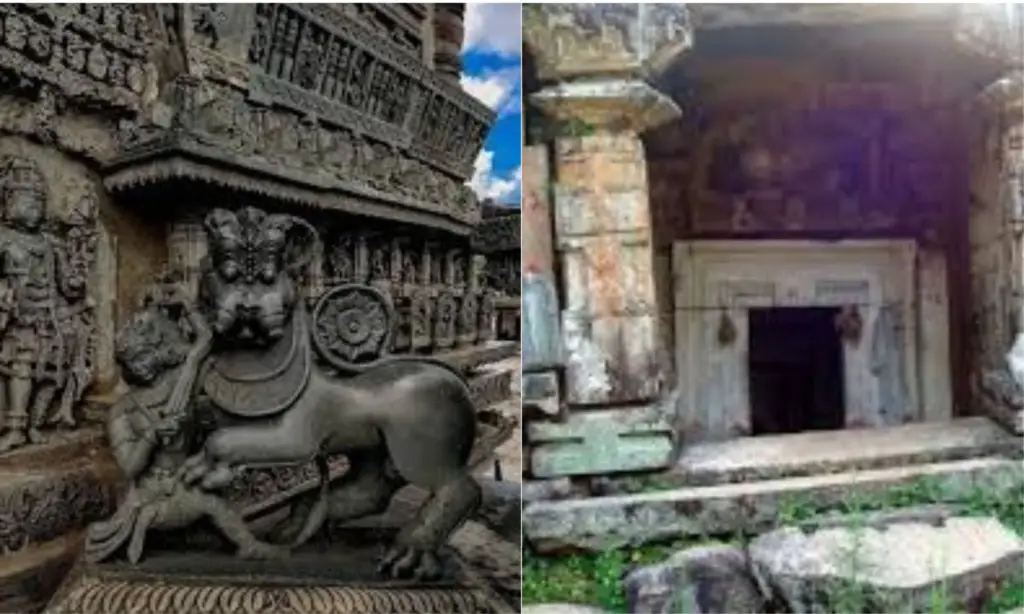
Angadi today is a small hamlet with ruins of five temples and Jain Basadis, which are among the oldest structures of their kind. The Hoysalas went on to become one of Karnataka’s greatest ruling dynasties, remembered today for the stunning temple architecture at Belur and Halebidu. But the story began here — in a forest in Mudigere.
If you visit Angadi and stand at the Vasantika Devi temple, it is worth pausing to think about how this one moment — a young man striking a tiger — set in motion a dynasty that ruled for over three centuries and built over 1,500 temples across Karnataka.
Places to Visit in and Around Mudigere
1. Devaramane Betta — The "House of God" on a Hill
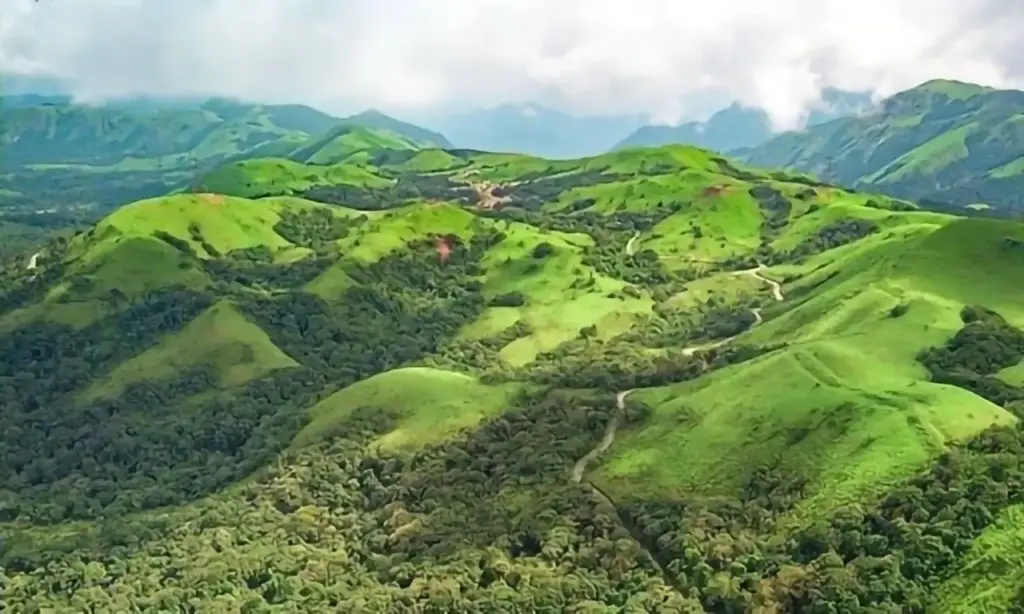
Devaramane is a small village or hamlet in Mudigere Taluk in Chikmagalur District of Karnataka. This place offers an adventure, breathtaking view, soothing ambience, and a cluster of flora and fauna owing to the dense Western Ghats by its side.
The name Devaramane literally means “House of God” in Kannada. At the top sits the Kalabhaireshwara temple, an ancient shrine that locals hold in great reverence. The trek to the summit is moderate and suitable for beginners and experienced trekkers alike. The view from the top stretches over rolling green hills, coffee estate canopies, and distant peaks — on a clear day, it is one of the finest panoramas in the Chikmagalur region.
There is also a small, serene lake near the base that adds to the atmosphere, especially in the early morning when mist hangs low over the water. The drive itself is part of the experience — winding ghat roads, mist-covered coffee estates, and stretches where you will want to stop every few minutes for photographs.
Distance from Mudigere town: Approximately 7–10 km
2. Coffee and Pepper Plantation Tours
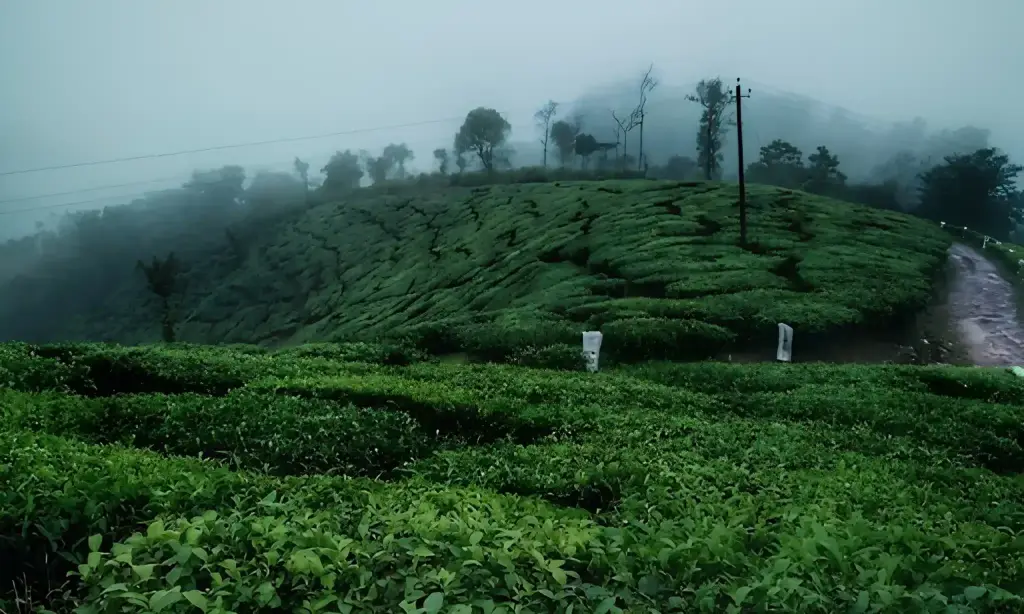
This is something you simply cannot skip in Mudigere. The entire taluk sits on a bed of coffee and black pepper estates, and several of them offer guided walks and tours.
Walking through a plantation in the morning, when the air smells of coffee blossom and wet earth, is a genuinely immersive experience. You learn how coffee is grown, how it is processed (Mudigere produces both Arabica and Robusta varieties), and why the microclimate here — the altitude, the rains, the forest canopy – produces some of the finest coffee in India.
The drive from Kottigehara to Kalasa, which passes through the heart of Mudigere taluk, is especially beautiful for its unbroken stretches of coffee and cardamom estates against the backdrop of the Ghats.
3. Bhadra Wildlife Sanctuary and Tiger Reserve
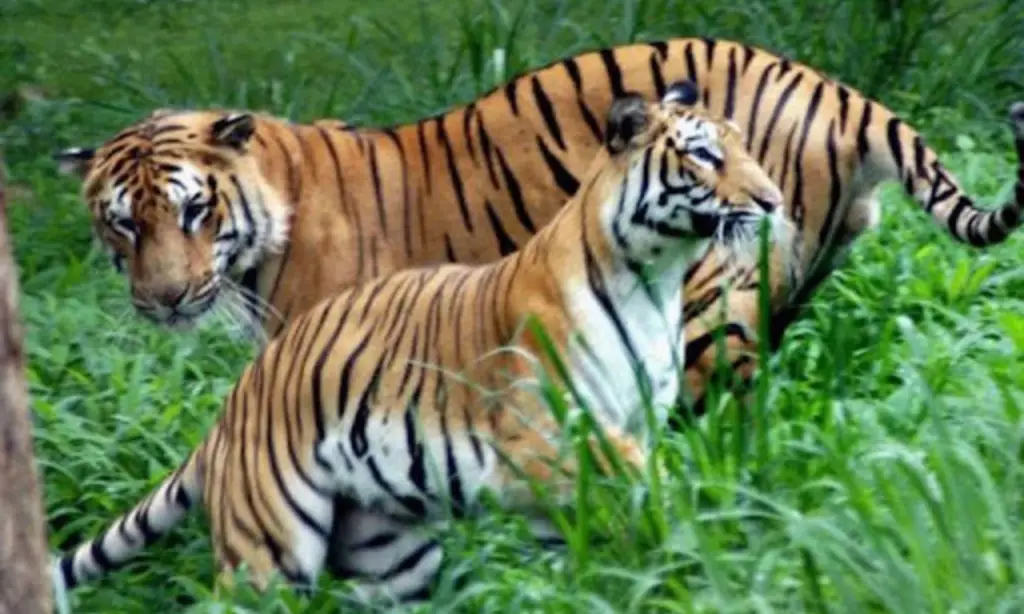
The Bhadra Wildlife Sanctuary and Tiger Reserve covers an area of over 490 square kilometres and is spread across two districts of Karnataka — Chikmagalur and Shimoga. The vegetation is a mix of moist and dry deciduous forest, with the Bhadra river passing right through it.
Also called the Muthodi Wildlife Sanctuary, this sanctuary is known for its wildlife safari. You can see tigers in their natural habitat on these expeditions. Private jeep safaris can be arranged, and forest officials accompany visitors with interesting anecdotes about forest life.
There are close to 250 species of birds at the Bhadra Wildlife Sanctuary, and specialised bird-watching expeditions with ornithologists are available. Other wildlife regularly spotted includes leopards, elephants, gaur, sloth bear, and deer. The 300-year-old Jagara teak tree is a well-known landmark within the sanctuary.
The ideal time to visit the sanctuary is from October to February.
Distance from Mudigere: Approximately 60–70 km
4. Trekking — Ettina Bhuja, Ballalarayana Durga, and More
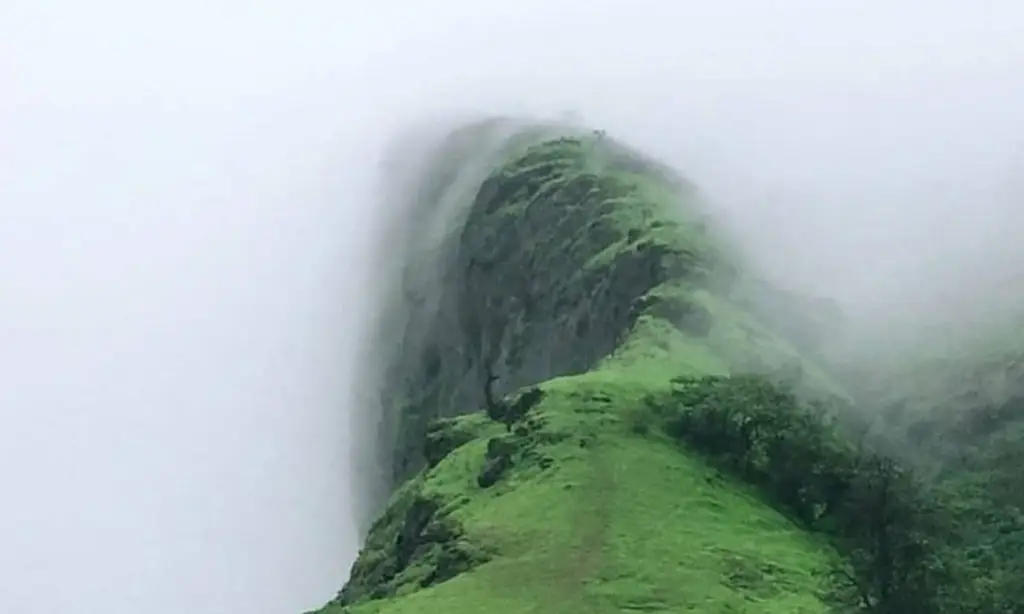
The hills around Mudigere offer some of the best trekking in the Chikmagalur region.
Ettina Bhuja (Ox Hump Hill): The name means “shoulders of an ox” in Kannada — the peak’s silhouette resembles the hump of a bull. It is a moderately challenging trek through shola forests and grasslands, and the view from the top is extraordinary. From a height of 3,000 feet, the roar of the river flowing beneath can be heard clearly.
Ballalarayana Durga (Durgada Betta): Near Sunkasale village in Mudigere Taluk, this is a historical fort ruin set on a hilltop, offering both a trekking challenge and a window into the Hoysala era. The ruins are genuinely atmospheric — crumbling walls in the middle of dense forest, with sweeping views on all sides.
Shankara Falls: A quieter, less-visited waterfall near Mudigere town, ideal for a short detour on any day trip.
A word of caution for monsoon trekkers: leeches are common in the Western Ghats between June and September. Carry salt, tuck in your socks, and wear full-length trousers.
Plan Your Trip from Astagiri — Your Base in Mudigere
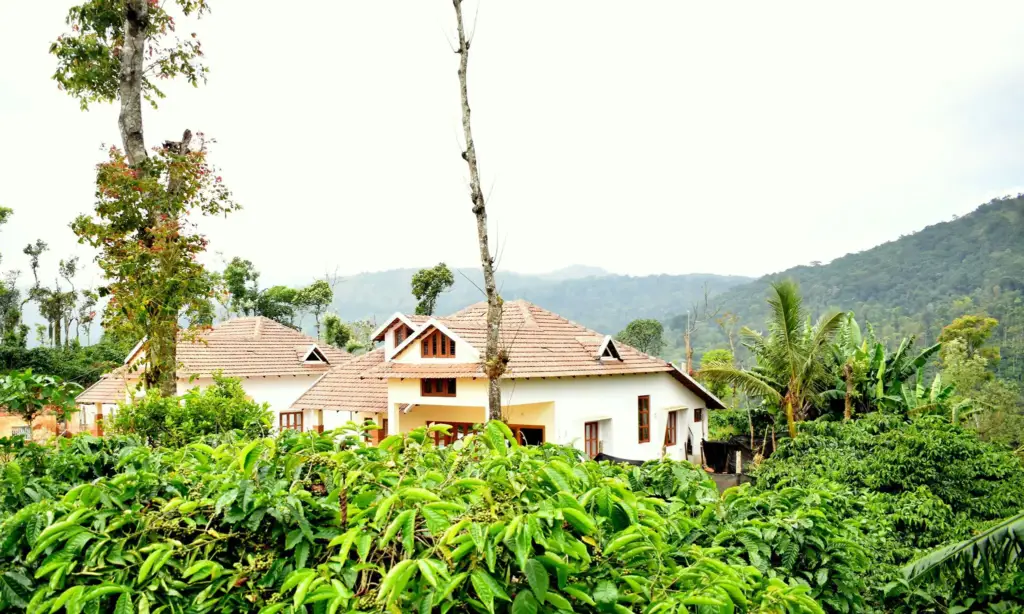
If you want to explore Mudigere properly, you need a base that puts everything within reach. Astagiri Homestay, set amidst coffee plantations in the hills of Mudigere, is one of the most recommended stays in the region.
The property sits on a hilltop surrounded by coffee and pepper estates, with views of the mountains and a natural flowing stream nearby. It offers home-cooked Malnad meals, estate walks, bonfires, and a genuinely peaceful atmosphere — the kind that makes you want to extend your stay by a day.
Distances from Astagiri Homestay:
- Devaramane Betta — approximately 19 minutes
- Ettina Bhuja — approximately 20 minutes
- Chikmagalur town — approximately 40–45 minutes
- Mangalore — approximately 3 hours 30 minutes
- Bengaluru — approximately 5 hours 20 minutes
- Mysore — approximately 4 hours 25 minutes
Suggested 2-day travel route from Astagiri:
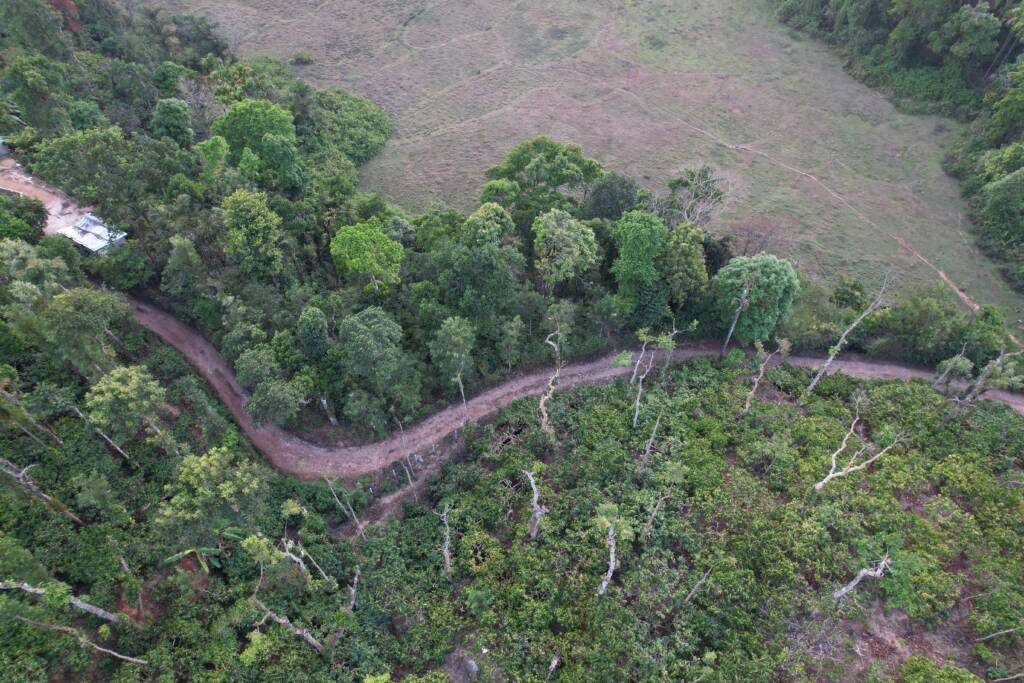
Day 1: Arrive, settle in, estate walk in the afternoon, bonfire at night.
Day 2 (morning): Drive to Devaramane Betta — early morning trek for sunrise views.
(afternoon): Angadi village for Hoysala history, then Shankara Falls on the way back.
Day 3 (optional): Ettina Bhuja trek in the morning, then drive toward Ballalarayana Durga or extend toward Bhadra Wildlife Sanctuary.
Whether you are a trekker, a history lover, a photographer, or someone who just needs a few days away from city noise, Astagiri works as the perfect launch pad for everything Mudigere has to offer.
Best Time to Visit Mudigere
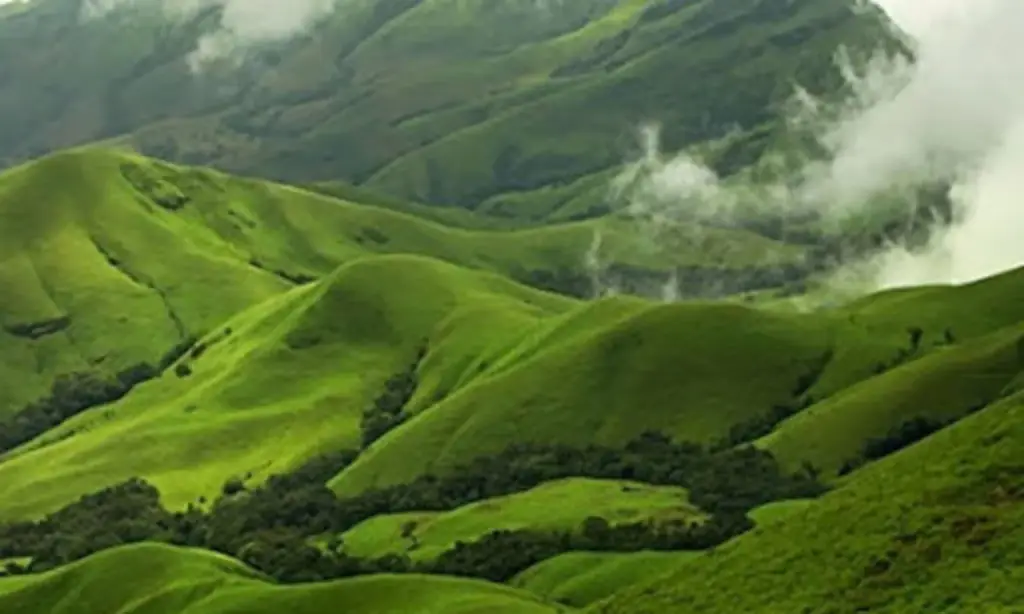
October to February (Peak Season): This is the ideal time. The rains have cleared, the hills are brilliantly green, the air is cool and clean, and visibility for treks and scenic drives is excellent. Temperatures range from around 14°C to 25°C. Wildlife sightings at Bhadra are also best during this period.
March to May (Pre-Monsoon / Summer): Warmer and drier. The landscape is less lush, but plantation tours are interesting during harvest season (typically November to February, with some estates harvesting later). Fewer crowds and better accommodation rates.
June to September (Monsoon): Mudigere receives heavy rainfall — the Western Ghats here can get over 2,000 mm of rain annually. The landscape turns incredibly dramatic, waterfalls are at full force, and the coffee estates look their most photogenic. However, roads can be slippery, leeches are active on trails, and some areas may become inaccessible. Experienced travellers who do not mind the wet often prefer this time for its raw beauty.
FAQs About Mudigere, Chikmagalur
Yes, they are different places. Mudigere is a separate town and taluk in the Chikmagalur district, located about 30 km southwest of Chikmagalur town.
The most practical way is by road. The drive from Bengaluru is approximately 240–250 km and takes around 5 to 6 hours via NH-75 through Hassan or via Tumakuru. You can also take a bus to Chikmagalur or Sakleshpur and hire a local taxi from there. There is no direct train to Mudigere — the nearest railway station is Kadur (about 65 km away).
Mudigere is best known for its coffee and black pepper production. It is also notable for its connection to the Hoysala dynasty, proximity to trekking peaks like Devaramane Betta and Ettina Bhuja, and its position on the edge of the Western Ghats with scenic plantation landscapes.
Not exactly. The sanctuary spans Chikmagalur and Shimoga districts and is accessible from multiple entry points. While it is not directly in Mudigere, it is within a couple of hours’ drive and makes for a very worthwhile day trip if you are staying in the area.
If you dislike rain and want clear trekking conditions, avoid the peak monsoon months of July and August. Roads can become challenging, and some trails may be off-limits due to landslide risk or animal movement.
Absolutely. Plantation tours are engaging for children and adults alike, the drives through the Ghats are spectacular, and the homestay in the area are very family-friendly. The pace is calm, there are no large crowds, and the natural setting keeps things interesting without requiring intense physical exertion.
Ready to Experience Mudigere? Stay at Astagiri Homestay
If Mudigere has made it onto your travel list, do not leave your stay to chance. Astagiri Homestay is set right in the middle of Mudigere’s coffee and pepper estates, on a hilltop with mountain views, a private stream, and the kind of stillness that most city-dwellers have forgotten exists.
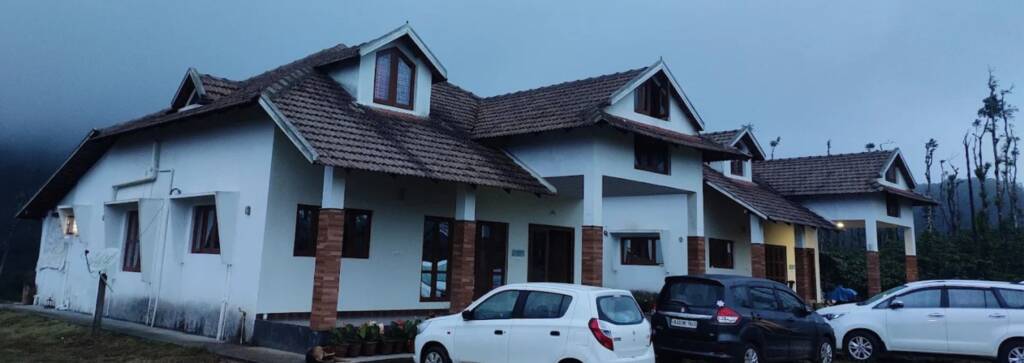
Here is what makes it the right base for your trip:
- Wake up to birdsong and fresh mountain air, not traffic
- Walk through coffee and pepper estates right from your doorstep
- Home-cooked Malnad meals — the kind you will think about long after you leave
- Devaramane Betta is just 19 minutes away; Ettina Bhuja, 20 minutes
- Campfire evenings, estate walks, and zero mobile network — a proper digital detox
Whether you are planning a weekend getaway, a family holiday, or a solo slow-travel trip, Astagiri gives you a warm, rooted, and genuinely local Mudigere experience.
Visit astagirihomestay.com to check availability and book your stay.
Because the best version of Mudigere is the one you experience slowly — and Astagiri is where that experience begins.