Kudremukh Trek – The Complete Guide You Need Before You Go
Kudremukh is Karnataka’s 2nd highest peak at 1,894 metres, located inside Kudremukh National Park near Kalasa, Chikmagalur – about 6–7 hrs from Bangalore. Trek distance is 18–20 km return, difficulty is moderate to challenging, and the best time to visit is October to February.
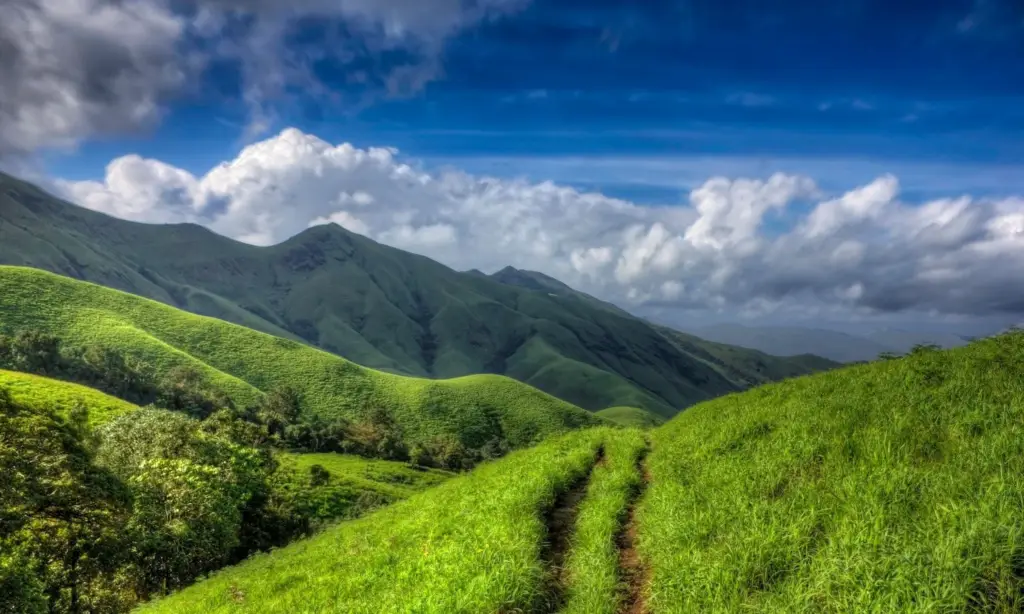
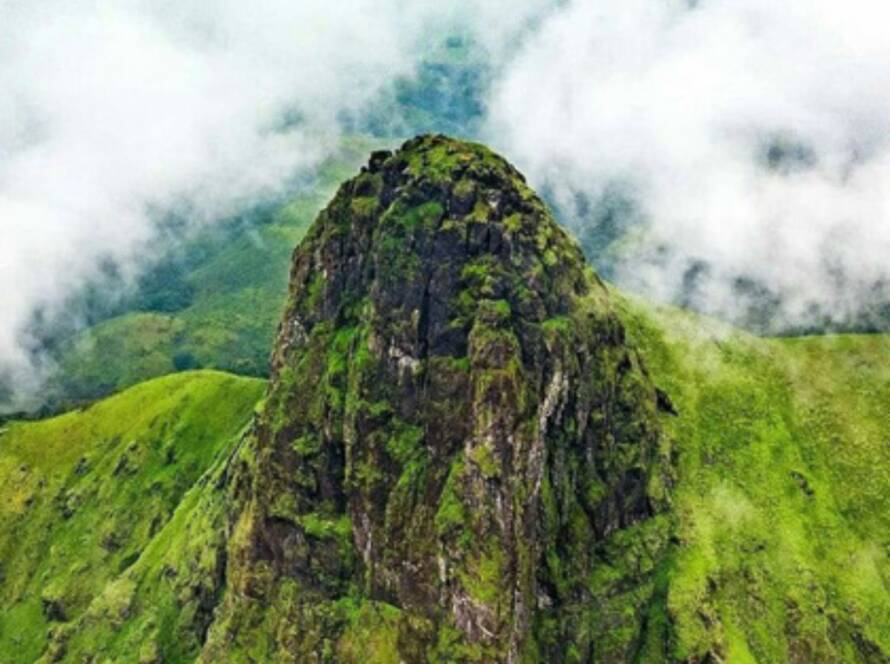
Somewhere in the heart of the Western Ghats, where mist all over green hills and rivers are born between rocks, stands Kudremukh. It is Karnataka’s 2nd highest peak, sitting at an elevation of 1,894 metres above sea level inside one of India’s most prized national parks. The name “Kudremukh” comes from Kannada and literally means “horse face” – named after the shape the mountain makes when viewed from a certain angle.
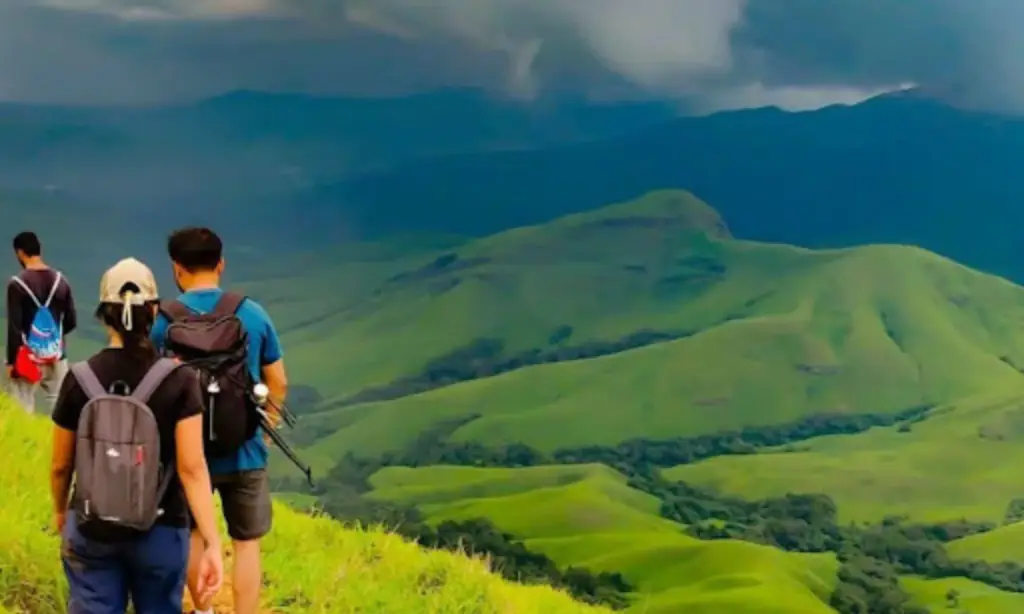
This isn’t just another trek. Kudremukh is a UNESCO World Heritage Site, recognised as one of the 34 biological hotspots in the world. You walk through rolling grasslands, cross cold water streams, pass through dense shola forests, and climb a steep final section that rewards you with views you will remember for years. Whether you are a first-timer or a seasoned trekker, Kudremukh is a destination that earns its place on every bucket list.
Where Is Kudremukh?
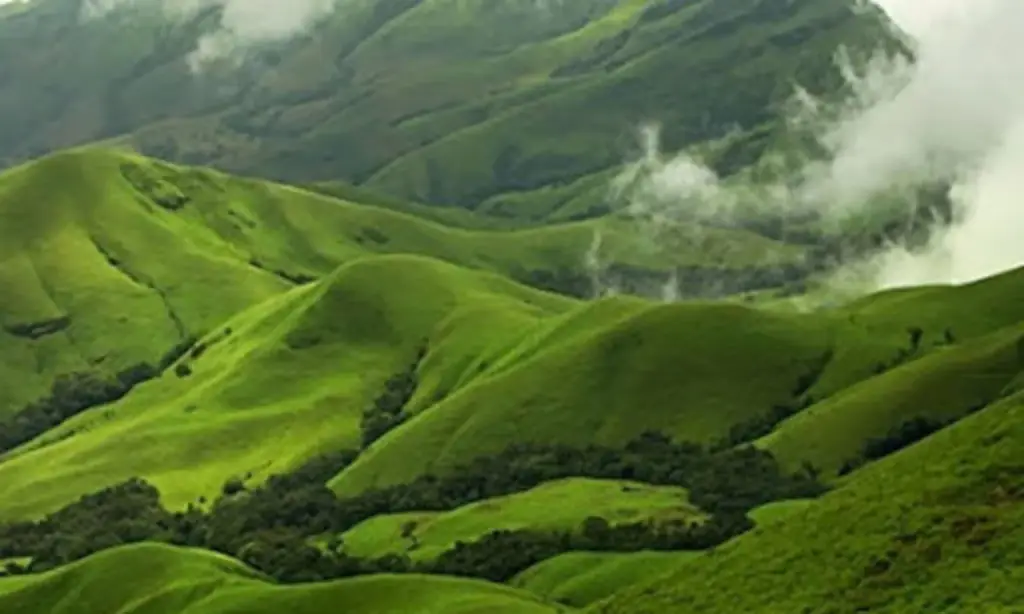
Kudremukh is located in the Chikkamagaluru district of Karnataka, inside the Kudremukh National Park. The national park spans across Chikmagalur and Dakshina Kannada districts, covering over 600 sq km of protected forest land.
The trek begins from Mullodi village, which sits about 15 km from Kalasa town.
Kudremukh Trek Distance from Major Cities
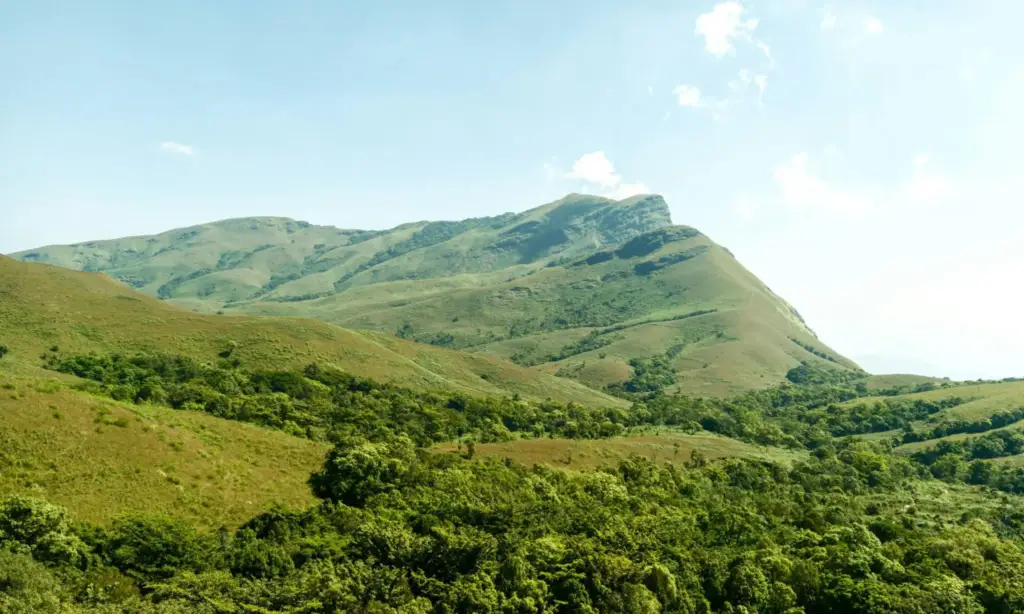
Getting to Kudremukh requires a bit of planning, but the roads through the Western Ghats are scenic and worth every kilometre.
From Bangalore to Kudremukh: The distance is approximately 330–350 km by road. The drive takes around 7 to 8 hours depending on your route and traffic. The most common route is via NH75 to Hassan, then through Mudigere and Kalasa.
From Mysore to Kudremukh: The distance is approximately 265 km by road, taking around 5 to 6 hours. You can take NH275 to Hassan and then follow the same route through Mudigere.
From Astagiri Homestay to Kudremukh: If you are staying with us at Astagiri Homestay in Mudigere, you are already well positioned. The distance from Astagiri to Kudremukh is roughly 80 km, and the drive takes about 1.5 to 2 hours through beautiful ghats roads. We can help you plan the whole day trip from our homestay – more on that below.
How to Reach Kudremukh
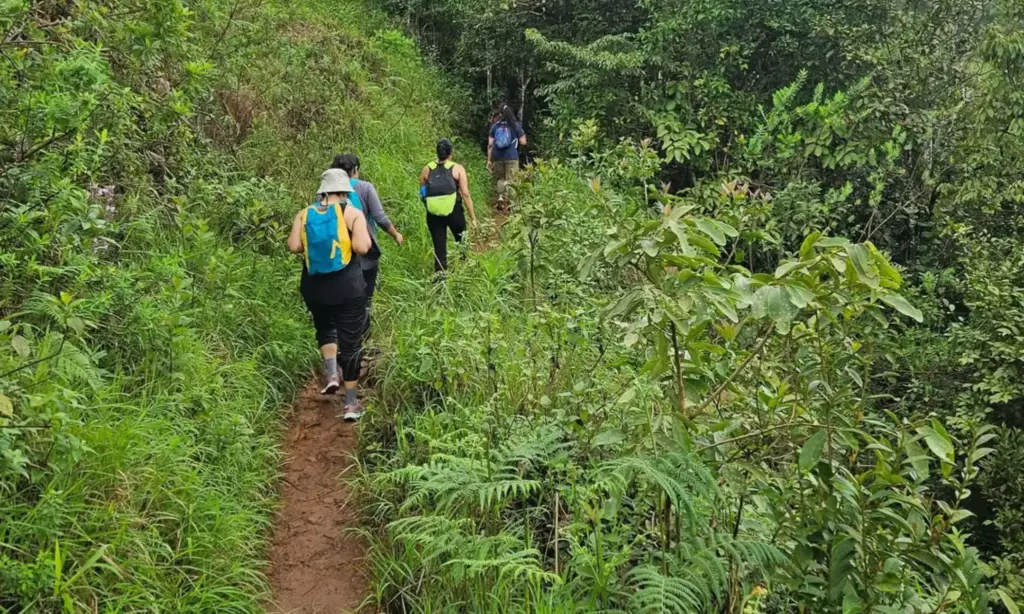
By Road (Most Recommended): The most convenient way to reach Kudremukh is by road. From Bangalore or Mysore, drive toward Hassan, then take the state highway through Mudigere to Kalasa. From Kalasa, it is about 20 km to the Kudremukh forest checkpoint, and from there the trek begins at Mullodi.
If you do not have a personal vehicle, KSRTC and private buses operate from Bangalore and Mysore to Kalasa. From Kalasa, you can hire a jeep or local taxi to reach Mullodi village.
Nearest Town: Kalasa (20 km from Kudremukh)
Nearest Railway Station: Mangaluru Junction (about 110 km). From there, hire a cab or take a bus to Kalasa.
Nearest Airport: Mangaluru International Airport (around 110 km). Taxis are available.
Pro tip: If you are coming from Bangalore or Mysore, plan to stay a night before the trek. The drive is long and you want to start the trek fresh and early.
Kudremukh trek booking
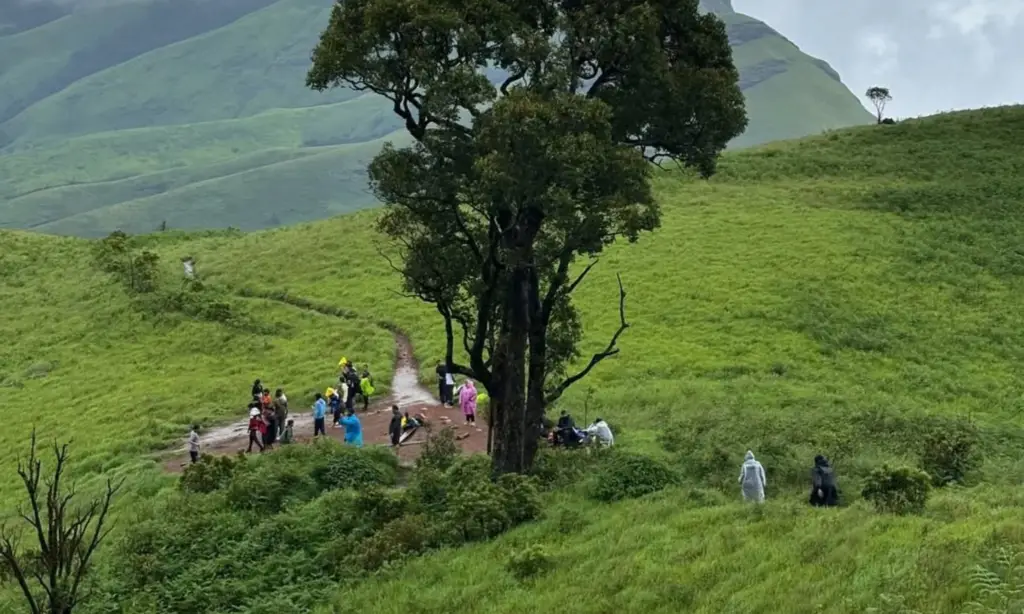
Before you start the trek, you will pass through a forest department checkpoint. This is where the entry is regulated and your documents are verified.
At the checkpoint, you need to:
- Submit your trek ticket (buy it here if you haven’t already)
- Submit a copy of your Aadhaar card – carry a printed copy or a digital one ready to share
Entry Fees:
- Trek entry: ₹575 per person
- Guide (mandatory inside the park): ₹1,000 per group
- Camera fee: ₹300 per camera (DSLR/professional cameras)
A guide is not just recommended – it is required by the forest department to enter the Kudremukh National Park trekking zone. Local guides know the trail well and are extremely helpful, especially during monsoon when the paths can get slippery and disorienting.
From the checkpoint, the trek base at Mullodi is accessible, and from there the actual trail to the Kudremukh peak is approximately 9 km one way.
Trek Details – What the Trail is Like
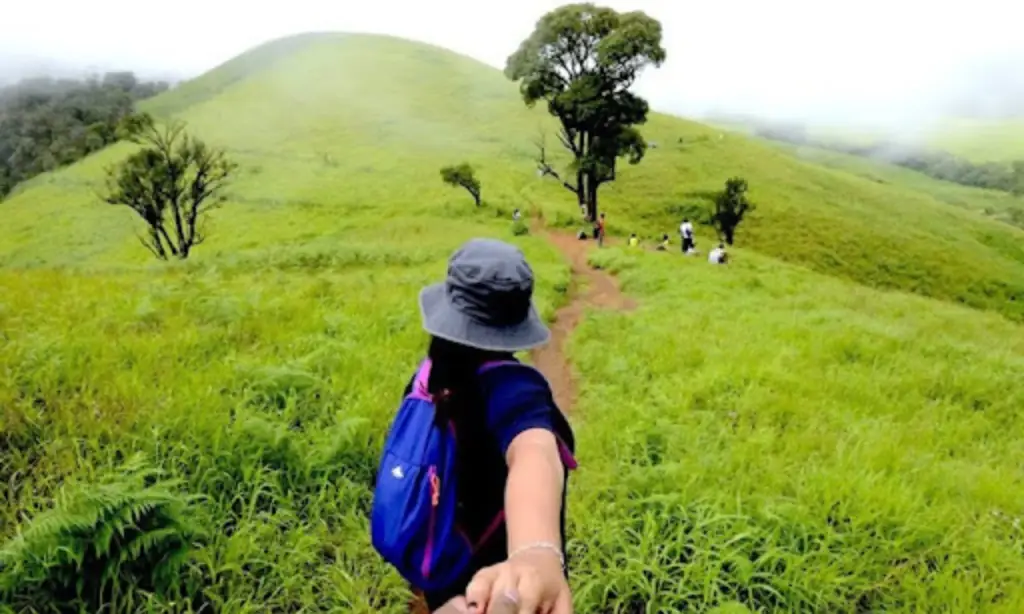
Difficulty Level: Moderate to Difficult
The Kudremukh trek is classified as moderate to difficult, making it suitable for fit beginners and experienced trekkers alike. The 9 km one-way trail (18 km round trip) takes about 4 to 5 hours to reach the summit and 2.5 to 3 hours to come back.
Here is what the trail looks like:
First Section – Coffee Plantations and Open Meadows: The trek starts gently. You walk through open grasslands and past coffee plantations with the morning mist still sitting on the hills. It is calm, green, and beautiful.
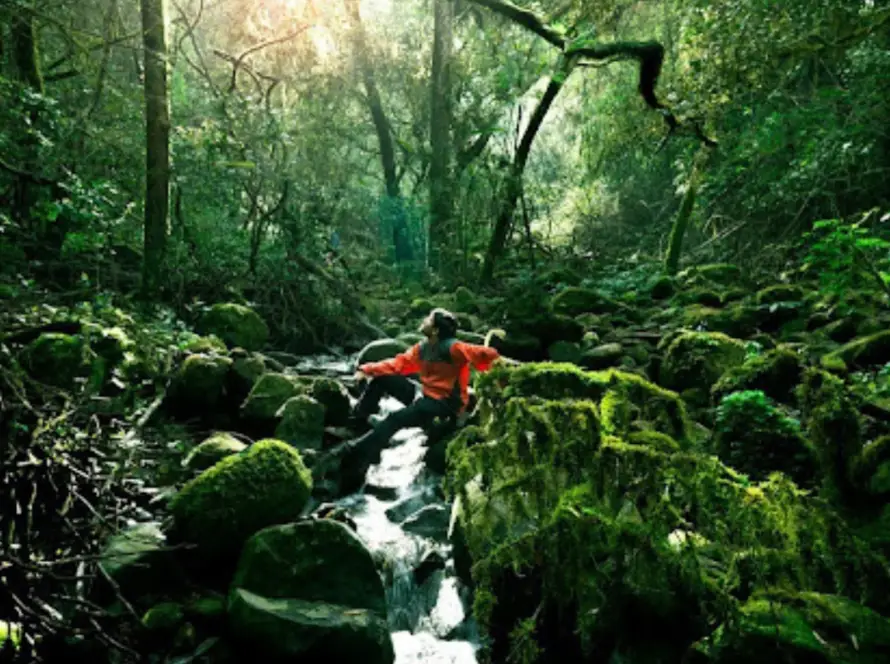
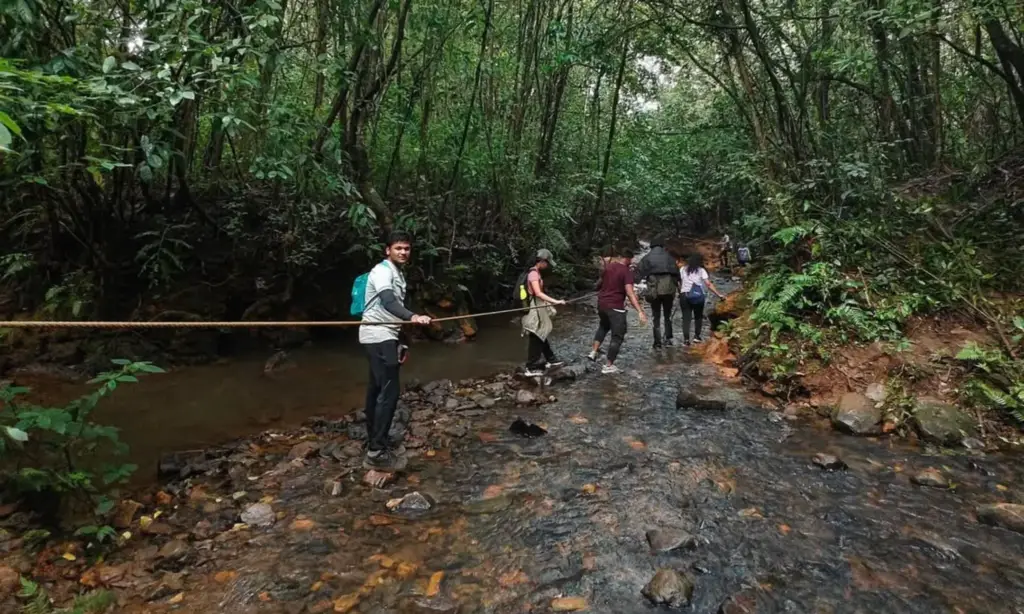
Middle Section – Forest and Water Streams: The trail dips into dense shola forests where it gets cooler and the light filters through the canopy. This section involves crossing water streams multiple times. There are no bridges – you either step on rocks or wade through. Keep your shoes ready to get wet, or carry an extra pair of socks.
Final Section – The Steep Climb: The last stretch of the trek is where it gets serious. The trail becomes very steep and almost vertical in places. It demands proper footing and a good fitness level. There is a landmark called Ontimara (a lone tree) that marks roughly three-quarters of the way to the summit – once you spot it, you know the summit is close.
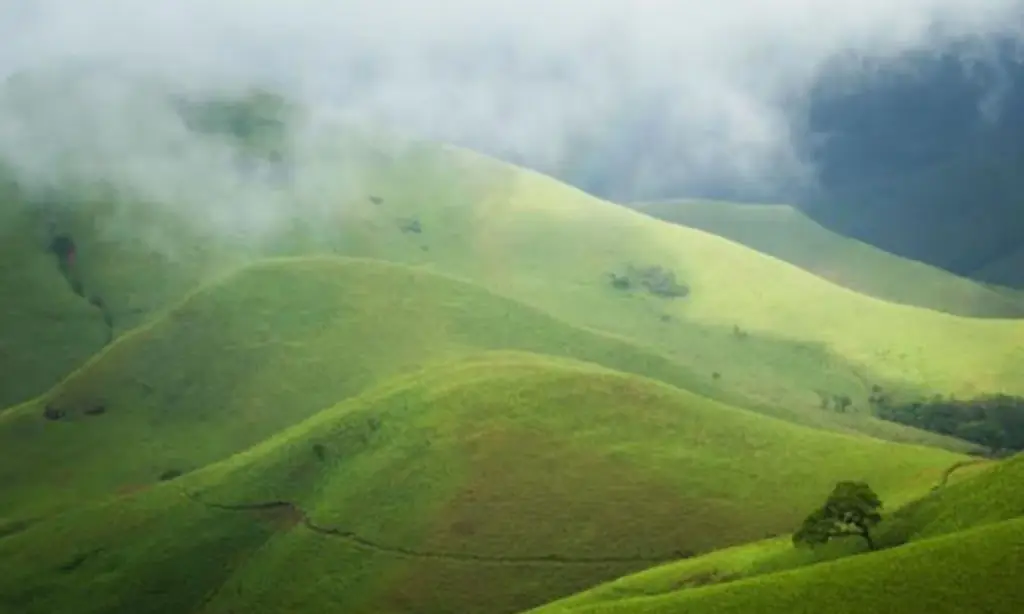
The Summit: At the top, the peak opens up into sweeping views of the rolling Western Ghats hills, valleys, and the Kudremukh range stretching out in every direction. On clear days, you can see for miles. The summit has the ruins of old mining-era buildings – a reminder of when Kudremukh Iron Ore Company Limited (KIOCL) operated here before being shut down in 2005 due to environmental concerns.
Note from the forest department: Trekkers must return to the base by 6 PM without fail. The weather in the Western Ghats turns windy and cloudy by early afternoon, so it is best to reach the summit before 1 PM
Stay Near Kudremukh Trek at Astagiri Homestay
Planning the Kudremukh Trek? Make your adventure even more memorable with a stay at Astagiri Homestay, We are located just about 80 km from the Kudremukh trek base, which means an easy early morning drive gets you there in time for a 9 AM start. You come back to a warm meal, hot water, and a comfortable bed after a full day on the trail. a peaceful coffee estate homestay in Chikmagalur surrounded by lush greenery and the tranquil beauty of the Western Ghats.
Whether you’re travelling with friends, family, or as a couple, Astagiri Homestay offers spacious accommodation, delicious home-cooked Malnad meals, and a refreshing escape from the city’s hustle. Spend your evenings around a bonfire, take a walk through our coffee plantation, or unwind beside our private waterfall while enjoying
the peaceful surroundings
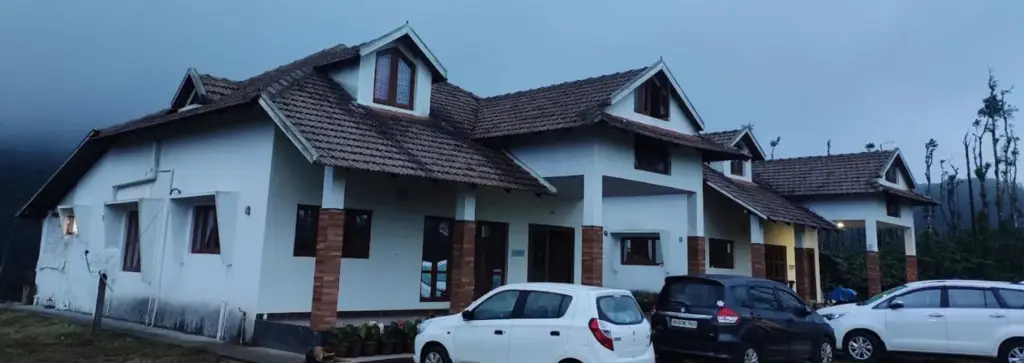
Why Choose Asta Giri Homestay?
• Comfortable homestay in Chikmagalur surrounded by a coffee estate
• Authentic homemade Malnad breakfast, lunch, and dinner
•Private waterfall exclusively for guests
• Coffee plantation walks • Spacious rooms for couples, families, and groups
• Bonfire and indoor & outdoor games
• Convenient location to explore Kudremukh, Devaramane Betta, Rani Jhari, and other popular attractions in Chikmagalur
Relax After Your Kudremukh Adventure
The Kudremukh Trek is one of Karnataka’s most scenic and rewarding trekking experiences. After reaching the summit and returning from the trek, recharge in the peaceful surroundings of Asta Giri Homestay. Wake up to mist-covered coffee plantations, enjoy fresh local cuisine, and continue exploring the natural beauty of
Chikmagalur at your own pace.
If you’re looking for the best homestay in Chikmagalur that combines nature, comfort, and genuine Malnad hospitality, Astagiri Homestay is the perfect choice for
your next getaway.
👉 You are Just a click away
Book now
Attractions Inside Kudremukh National Park
Kudremukh is not just about the peak. The national park is full of things worth exploring:
Kadambi Falls: A beautiful waterfall inside the forest, best seen after the monsoon when the water is full. It is one of the most photographed spots in the region.
Gangadikal Trek: An easy trek that gives you panoramic views of the Lakya Dam backwaters and the Kudremukh Valley. Great option if you want something lighter.
Bhagavathi Nature Camp: A government-run jungle camp that offers safaris into the core forest zone where you can spot wildlife like leopards, sambars, lion-tailed macaques, and Malabar giant squirrels.
Somawathi Falls: A serene waterfall near the Kudremukh region, best visited in the early morning for a refreshing experience.
Aane Gudda Trek: Starting from Haluvalli, this trek is about 15 km from the Kudremukh entrance and offers a different perspective of the Ghats.
Kurinjal Peak: A lesser-known trek inside the park with fewer crowds and equally beautiful views. About 20 km from the entrance.
Horanadu Temple: A sacred temple on the banks of a river, very close to the Kudremukh region, and popular with pilgrims and tourists alike.
Baamikonda Viewpoint: Offers stunning views of the surrounding hills and is easily accessible. A great spot to catch sunrise if you are staying nearby.
Best Time to Visit Kudremukh
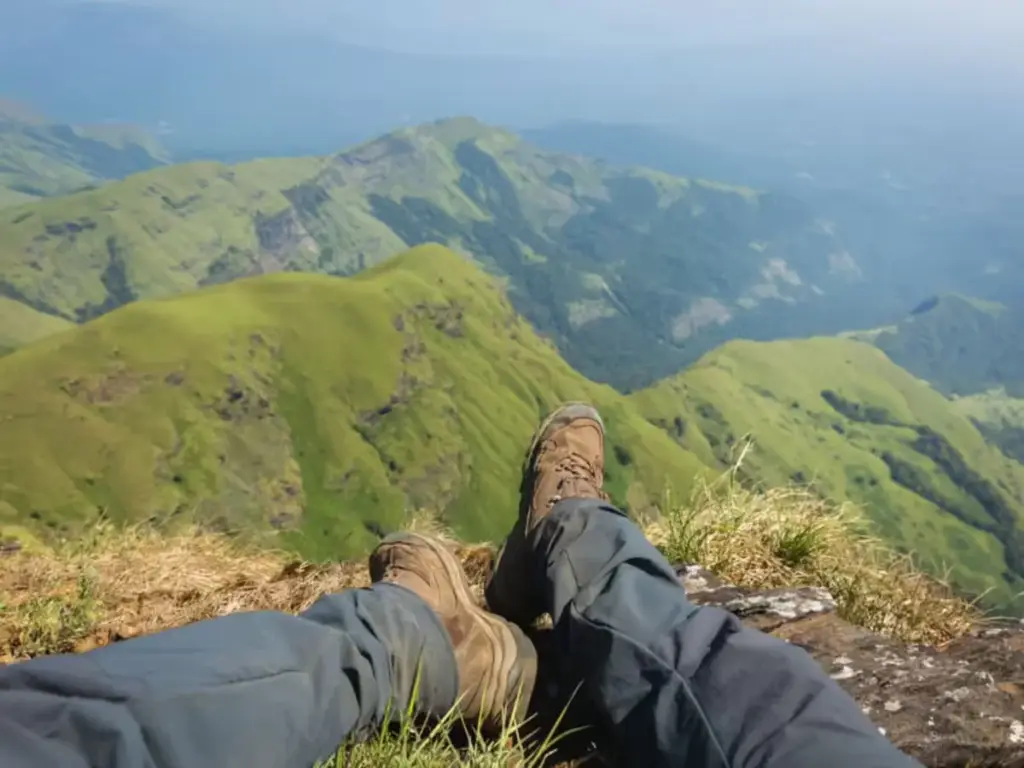
October to February – Best Time After the monsoon, the hills are lush and green, streams are flowing, waterfalls are at their best, and the weather is cool and clear. This is when the trek is most rewarding and conditions are safest.
March to May – Good for Clear Views The weather is warmer but the skies are usually clear, giving you the best summit visibility. Carry enough water as the streams may be lower.
June to September – Monsoon (Experienced Trekkers Only) The trek is closed for general visitors during peak monsoon months due to safety concerns. The forest department regulates entries strictly during this time. If the trek is open, the landscape is extraordinarily green but the trail is very slippery and challenging.
Kudremukh Trekking Tips
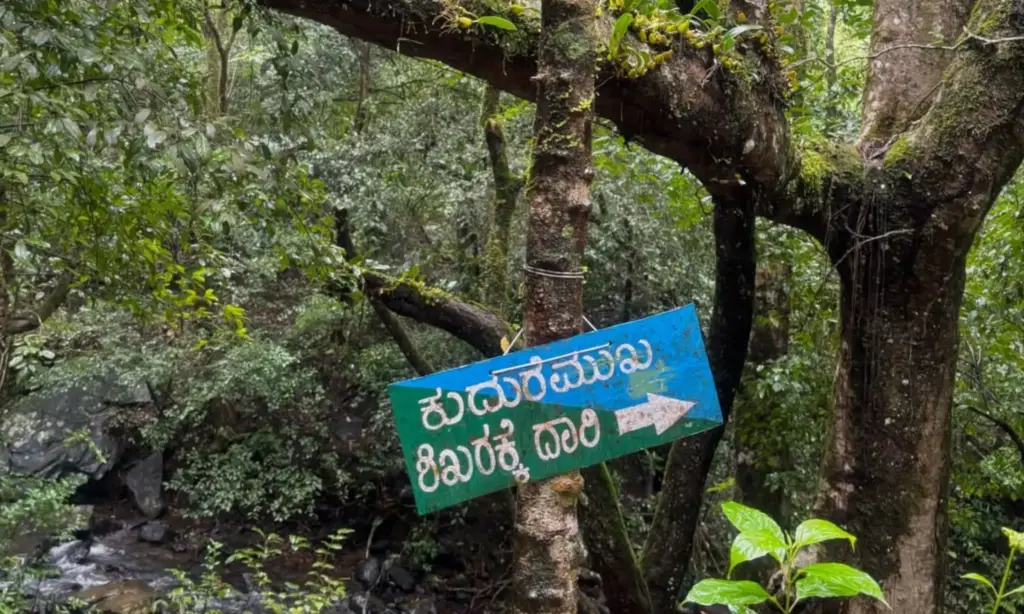
Start early: Begin the trek by 8–9 AM so you reach the summit well before early afternoon. The weather shifts quickly in the Western Ghats.
Carry enough water: There are natural streams on the trail but do not rely solely on them. Carry at least 2 litres per person.
Wear the right footwear: You will be crossing water streams, so waterproof trekking shoes or shoes with good grip are important. Carry an extra pair of socks.
Dress in layers: The base can feel warm, but the summit is usually cooler and windy. A light jacket or windcheater is useful.
Do not litter: Kudremukh is a protected area. Every bit of waste you carry in must be carried out.
Printed Aadhaar copy: Carry a physical printed copy of your Aadhaar card at the checkpoint. A photo on your phone is sometimes accepted but a print is more reliable.
Book the guide in advance: During peak season (October to February), guides book up fast. Pre-booking through a local operator or your homestay saves time and hassle.
Trekking poles: Highly recommended for the steep final climb and the descent, which is harder on the knees.
No plastic: The forest department enforces a no-plastic rule. Carry your water in reusable bottles.
Inform someone of your plan: Always let your accommodation host or a family member know your trekking plan for the day.
Unique Things About Kudremukh You Might Have Missed
The Ghost Town at the Top: The summit area has remnants of the old Kudremukh Iron Ore Company (KIOCL) township – abandoned buildings, rusted machinery, and an old church. This used to be a full functioning industrial town before mining was shut down in 2005. It is eerie, fascinating, and unlike anything you will see at the top of a trek anywhere else in India.
Three Rivers Are Born Here: The Tunga, Bhadrakali, and Nethravathi rivers are believed to have their origins in the Kudremukh region. Standing at the summit, you are literally at the source of rivers that flow hundreds of kilometres to the sea.
Navigation Landmark for Sailors: For centuries, the Kudremukh range was used as a landmark by sailors navigating India’s western coast. The silhouette of the “horse face” peak was visible from the sea and helped guide ships.
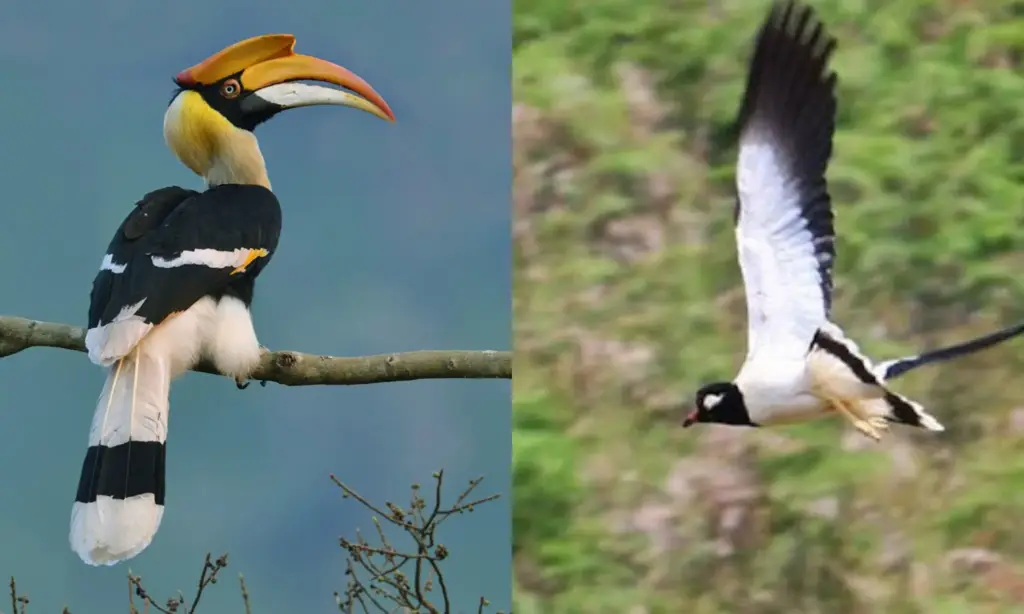
Lion-Tailed Macaque Haven: Kudremukh National Park is one of the last strongholds in the world for the endangered lion-tailed macaque. If you are quiet and observant on the trail, you may spot a troop.
One of 34 Global Biodiversity Hotspots: The park has been declared one of only 34 biological hotspots in the entire world – that is how rare and irreplaceable this ecosystem is.
The Monsoon Waterfalls: During and just after monsoon, temporary waterfalls appear all over the hillsides that you simply cannot see at any other time of year. The entire landscape transforms.
Frequently Asked Questions
You can buy tickets at the forest checkpoint on the day of your trek. However, during peak season (October to February), it is advisable to pre-book online through the official Kudremukh National Park portal to avoid missing entry due to daily limits.
Yes. The forest department requires trekkers to be accompanied by a registered guide inside the national park. The guide charges ₹1,000 per group, not per person.
ou can, but make sure you are physically prepared. The 18 km round trip on hilly terrain takes a full day. Practice walking on uneven ground before you go.
All trekkers must submit a copy of their Aadhaar card at the checkpoint for identity verification. Carry a printed copy or have a digital copy ready to share on your phone.
No food stalls on the trail. Carry your own packed lunch, snacks, and enough water. Many homestays near the base provide packed lunches if requested in advance.
Yes. Kudremukh National Park is part of the Western Ghats UNESCO World Heritage Site, recognised for its extraordinary biodiversity and ecological importance.
Families with older, fit children (12 years and above) can attempt the trek. It is not recommended for very young children due to the steep final section and long distance. The base area and nearby viewpoints are family-friendly alternatives.
₹575 per person for the trek, plus ₹1,000 for a mandatory guide (per group), and ₹300 per camera if carrying one.
If you want a comfortable base with easy access to Kudremukh, Astagiri Homestay in Mudigere is just about 80 km away. You get traditional Malnad food, mountain views, and a peaceful environment to rest after the trek.
Happy trekking! If you have any questions about planning your Kudremukh trip from Astagiri Homestay, reach out to us and we will take care of the details.