

Kelagur Tea Estate Chikmagalur: A Complete Visitor's Guide from Astagiri Homestay
Kelagur Tea Estate is the world’s highest grown Orthodox tea estate, located 31.4 km from Astagiri Homestay in Chikmagalur — about 58 minutes by car. Open to visitors year-round, entry is free, and factory tours are available.
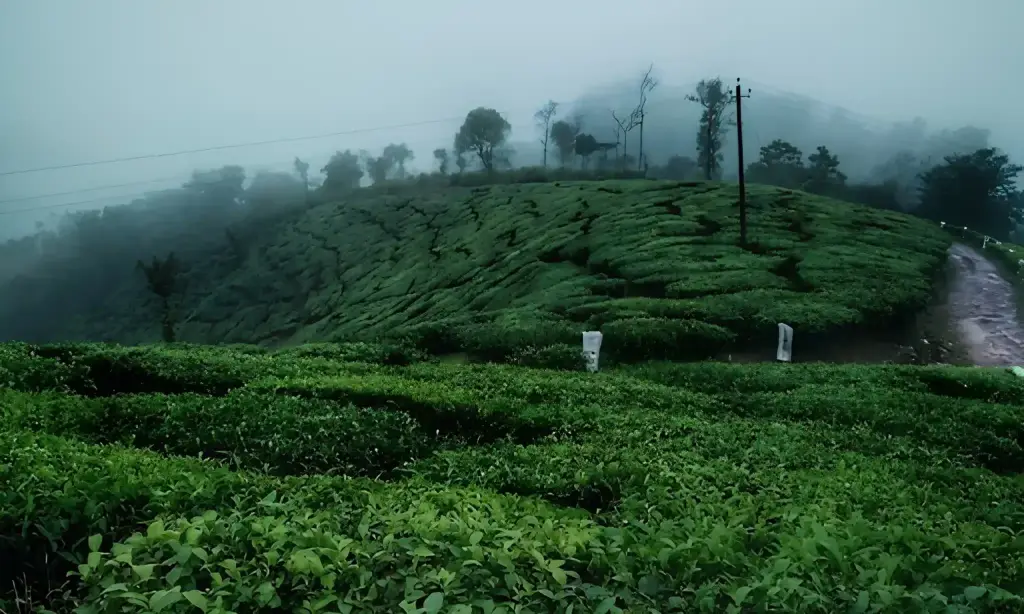
If you are planning a Chikmagalur trip and want a real break from the usual coffee trail, Kelagur Tea Estate deserves a top spot on your list. This is not just any plantation — it is recognised as the world’s highest grown Orthodox Tea Estate, sitting between 3,100 and 4,500 feet in the Western Ghats, and it has been making organic tea the slow, traditional way since 1927.
In this guide, you’ll find everything you need to plan your visit: elevation, history, distances from Bangalore, Mysore and our Astagiri Homestay, the factory tour experience, the types of tea grown here, photography tips, a suggested itinerary, and answers to the most common questions visitors ask.
Why Kelagur Tea Estate Is Special
Most travellers come to Chikmagalur for coffee. Very few realise that one of the most respected tea estates in the country is sitting right next door — and it has a few records to its name.
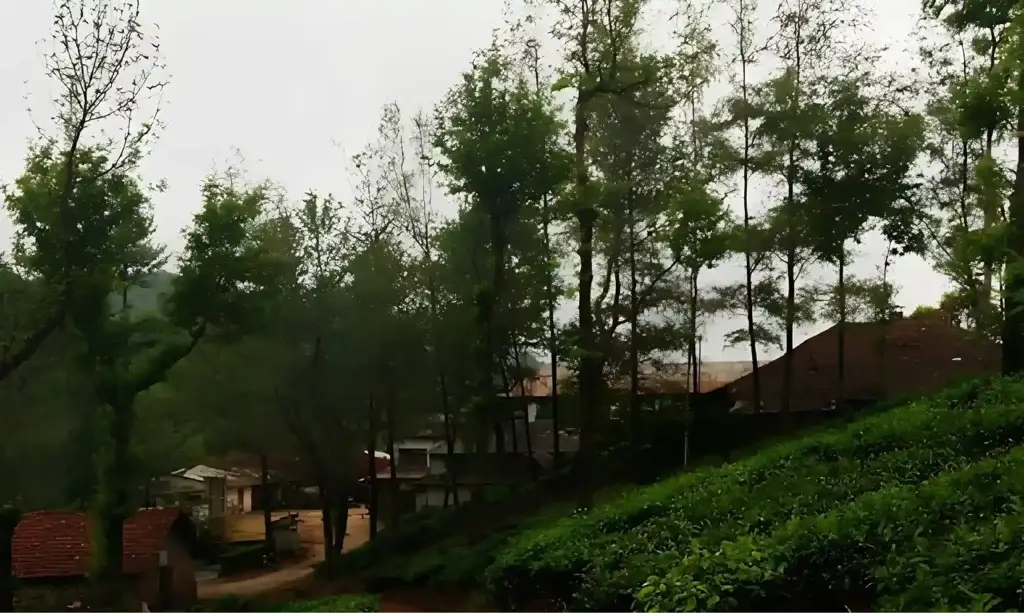
1. The World’s Highest Orthodox Tea Estate
Kolukkumalai (Tamil Nadu) is the world’s highest tea plantation overall, but Kelagur holds a record of its own — it’s widely regarded as the world’s highest grown Orthodox tea estate, sitting at 3,100 to 4,500 feet. At this altitude, bushes grow slowly and produce tea with deeper aroma and smoother flavour.
2. Sustainable, Organic, and Hand-Plucked
Kelagur is a leader in organic tea farming. Leaves are still hand-plucked and processed traditionally in the in-house factory, producing over 750,000 kg of premium tea every year — no chemicals, no shortcuts. One of the few places in South India where you can sip organic tea brewed from leaves picked hours ago.
3. The Bean-to-Brew Factory Tour
Watch tea being made live in a working factory using the traditional seven-step Orthodox process: rolling, withering, fermenting, drying, sieving, grading, and fibre extraction. Arrive before 12:00 PM – the factory winds down by noon.
4. Photography and Scenic Views
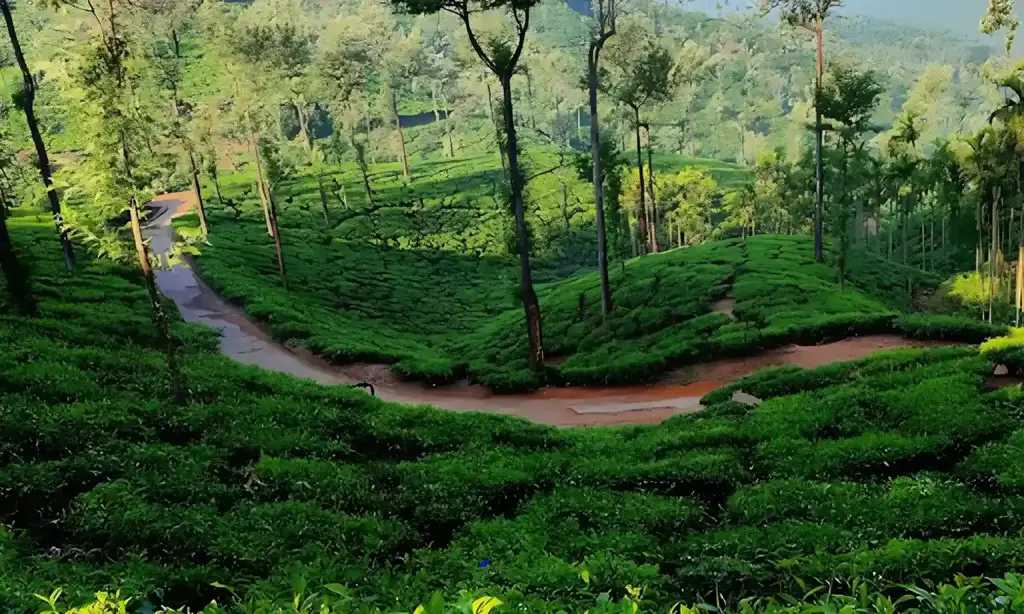
A dream spot for photographers — rolling tea bushes across the hills, misty mornings (especially post-monsoon), old colonial-era buildings, and coffee plantations sharing the frame. Best light: 7:00 to 9:00 AM.
5. Heritage Bungalow and Tea Tasting
The Mathias family has run Kelagur since 1927. Tea-tasting sessions and heritage bungalow visits aren’t always advertised, but ask at the entrance or call ahead — you may get a leaf-grading walk-through (BOP, FOP, OP, Dust, Fannings).
Fun Fact: Orthodox tea is what Darjeeling, Assam single-origin, and Ceylon teas are made of. CTC is the granulated tea for daily chai. Kelagur grows both — but Orthodox is its claim to fame.
A Quick Look at Kelagur Tea Estate
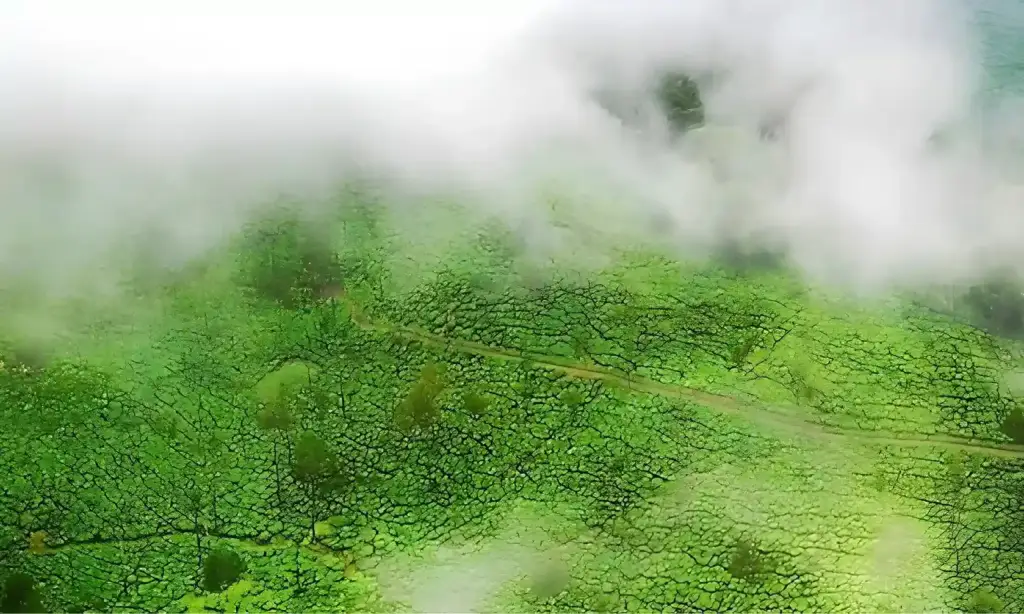
- Location: Kelagur village, Mudigere taluk, Chikmagalore district, Karnataka
- Established: 1927 (acquired by S L Mathias)
- Elevation: 3,100 – 4,500 ft above sea level
- Total estate size: ~1,000 acres (tea + coffee + minor crops)
- Tea-only area: ~371 acres
- Annual tea output: Over 7,50,000 kg
- Tea types: Orthodox, CTC, Green Tea, Specialty blends
- Owners: The Mathias family (4 generations)
Famous for: World’s highest grown Orthodox tea estate and organic farming
Distance from Bangalore, Mysore, and Astagiri Homestay
- From Bangalore to Kelagur Tea Estate: Approximately 270 km (around 6 to 6.5 hours via Hassan and Belur).
- From Mysore to Kelagur Tea Estate: Approximately 190 km (around 4.5 to 5 hours via Hassan).
- From Astagiri Homestay to Kelagur Tea Estate: Approximately 30–35 km (around 1 to 1.5 hours by road via Mudigere).
- From Chikmagalur town: Around 63 km.
- From Mudigere: Around 34 km.
If you are staying with us at Astagiri Homestay, Kelagur is a comfortable half-day trip. Leave by 8:00 AM, see the factory before noon, walk the gardens, buy a kilo of fresh tea, and you’ll be back in time for a hot Malnad lunch.
How to Reach Kelagur Tea Estate
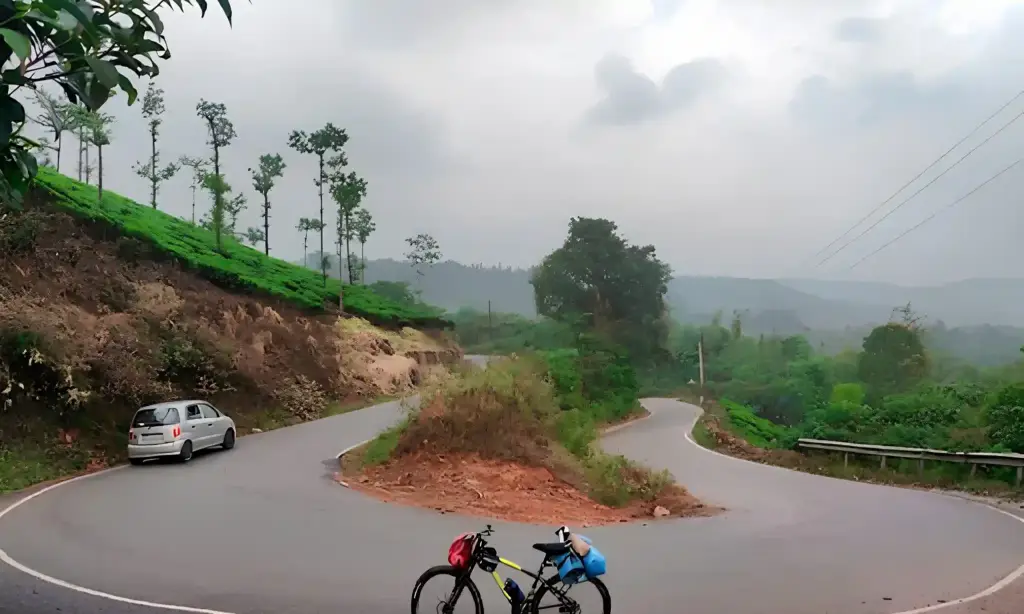
From Astagiri Homestay (the easiest route for our guests)
Take the road from Banakal towards Mudigere, continue to Kottigehara, and then head to Javali–Kelagur. The drive itself is gorgeous — winding through scenic ghats, peaceful villages, and old plantations. Our team at Astagiri can give you a printed route, current road conditions, and even arrange a local driver if you’d prefer not to drive yourself.
From Bangalore
Bangalore → Nelamangala → Kunigal → Hassan → Belur → Mudigere → Kottigehara → Javali → Kelagur. Comfortable highway driving until Belur; the last stretch is narrower but extremely scenic.
From Mysore
Mysore → Hassan → Belur → Mudigere → Kelagur. Slightly shorter and quieter than the Bangalore route.
By Train
Nearest railway stations are Kadur (~80 km) and Hassan (~90 km). Hire a taxi from either station.
By Air
- Mangalore International Airport — around 130 km (closest)
- Kempegowda International Airport, Bangalore — around 290 km
tip: The road into the estate is single-lane in places. A bike or a small car works best. Avoid taking large SUVs or tempo travellers all the way in — if a vehicle comes from the opposite side on a narrow stretch, you’ll be stuck.
Kelagur Tea Estate Timings and Entry
- Estate visiting hours: 8:00 AM to 5:00 PM
- Tea factory visit: Before 12:00 PM (the production process happens in the morning)
- Best months: October to March for clear skies and lush views; June to September for misty, dramatic monsoon scenes
- Entry: A small ticket is sold at the tea stalls in front of the estate
Types of Tea Grown at Kelagur

- Orthodox Black Tea — The estate’s pride. Whole-leaf, hand-rolled, traditional seven-step process. This is the tea that earned Kelagur its global reputation.
- CTC Tea (Crush, Tear, Curl) — The classic strong Indian chai tea. Bold, dark, and perfect for masala chai.
- Green Tea — Made from the same bushes but processed without oxidation. Light, fresh, and high in antioxidants.
- Specialty Blends — Seasonal and flavoured blends sold at the estate outlet from time to time.
The estate also produces Kelagur Heights Specialty Coffee (Arabica and Robusta), which is exported to the Middle East, Germany, and Australia, and sold to top Indian third-wave roasters and cafes. So if you’re a coffee lover too, you can pick both up from the same outlet.
How Much Does Kelagur Tea Cost?

Tea is sold directly at a small outlet at the entrance to the estate at plantation-direct prices. Rates depend on the type of tea (Orthodox, CTC, Green) and packet size, and they do change from time to time, so we strongly suggest checking current prices either at the outlet or by calling the estate office before your visit.
As a rough guide, plantation-direct CTC tea in this region typically retails between ₹300 and ₹600 per kg, while Orthodox and Green teas are usually priced higher. Either way, what you pay at Kelagur is far better value than supermarket tea – and you’re getting genuine, fresh, organic, single-estate tea.
What to Do at Kelagur Tea Estate
- Walk through the tea fields in the early morning when leaves are being plucked.
- Take the factory tour to watch withering, rolling, oxidation, drying, and grading happen live.
- Walk the coffee plantations that border the tea fields.
- Buy fresh tea and coffee from the estate outlet.
- Visit Kelagur Falls, a small but pretty waterfall most tourists miss.
- Photography : early-morning mist, rolling green hills, old estate buildings.
- Ask about a tea-tasting session and leaf grading walk-through at the entrance — sometimes they oblige.
Things Most Blogs Don't Tell You
- Go early — really early. The mist between 7:00 and 9:00 AM is what makes the photographs sing. By 11:00 AM, the magic burns off.
- The factory smells incredible. The aroma of fresh tea oxidising is something you cannot bottle. It alone is worth the trip.
- Carry cash. UPI and card payments are unreliable due to patchy network. Carry ₹1,000 to ₹2,000 in cash.
- Mobile network is weak inside the estate. Download offline maps before leaving Mudigere. Don’t depend only on Google Maps for the last few kilometres.
- You can’t stay inside the estate. Kelagur is a working plantation, not a resort. The closest comfortable, scenic option is Astagiri Homestay, which gives you the same Western Ghats experience with home-cooked Malnad food, a private waterfall, and easy access to Kelagur, Rani Jhari, Ballalarayana Durga, Devaramane, and Ettina Bhuja.
- Ask about leaf grading. When you visit the factory, ask the staff to explain the difference between BOP (Broken Orange Pekoe), FOP (Flowery Orange Pekoe), OP (Orange Pekoe), Dust, and Fannings. Your tea-buying decisions will never be the same again.
- Respect the workers. This is not a theme park — it’s a working farm with over 500 employees. Don’t pluck leaves for fun, don’t litter, don’t drive into the rows.
Stay Near Kelagur Tea Estate at Asta Giri Homestay
A visit to Kelagur Tea Estate is the perfect way to experience the natural beauty of Chikmagalur beyond its famous coffee plantations. After exploring the rolling tea gardens and learning about the traditional tea-making process, relax at Astagiri Homestay, a peaceful coffee estate homestay in Chikmagalur located about 30–35 km (around 1 to 1.5 hours) from Kelagur Tea Estate.
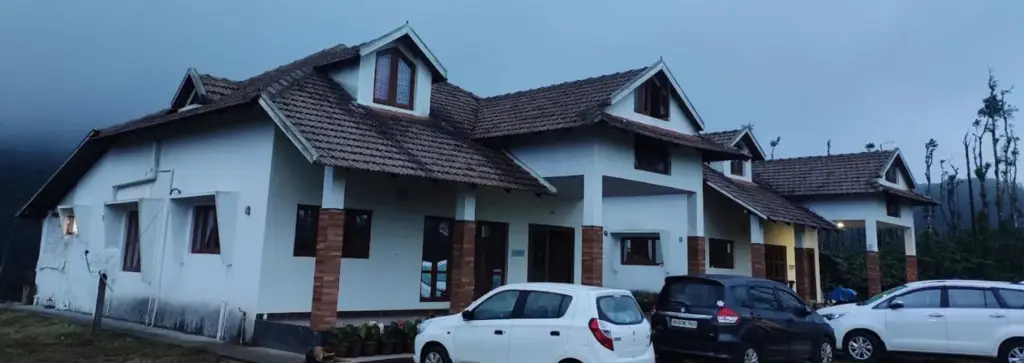
Why Choose Astagiri Homestay?
• Peaceful homestay in Chikmagalur surrounded by a coffee estate
• Approximately 30–35 km from Kelagur Tea Estate
• Authentic Malnad breakfast, lunch, and dinner
• Private waterfall exclusively for our guests
• Coffee plantation walks and scenic nature trails
• Spacious rooms for couples, families, and groups
• Bonfire, indoor & outdoor games, and warm local hospitality
• Convenient access to Kelagur Tea Estate, Devaramane Betta, Rani Jhari, Kudremukh, and Mullayanagiri
Plan Your Stay
Complete your Chikmagalur holiday with a peaceful stay surrounded by nature.
👉 Book your stay at Asta Giri Homestay
Frequently Asked Questions
Kelagur is widely recognised as the world’s highest grown Orthodox Tea Estate, sitting at an elevation of 3,100 to 4,500 ft. The world’s highest tea plantation overall is Kolukkumalai in Tamil Nadu (around 7,900 ft), but Kelagur holds the specific Orthodox-tea record.
Yes. The estate is open from 8:00 AM to 5:00 PM. To see the factory in action, arrive before 12:00 PM. A small ticket is required.
Approximately 30–35 km, or about 1 to 1.5 hours by road.
The estate ranges from 3,100 to 4,500 feet above sea level.
Orthodox black tea (the speciality), CTC tea, Green tea, and seasonal speciality blends. The estate also produces Arabica and Robusta coffee under the Kelagur Heights brand.
The total Mathias plantation covers around 1,000 acres, of which roughly 371 acres are tea.
Yes, and you should. Arrive before 12:00 PM to see the seven-step Orthodox tea-making process live: rolling, withering, fermenting, drying, sieving, grading, and fibre extraction.
Yes. There’s a small outlet at the estate entrance selling fresh tea and coffee at plantation-direct prices..
The road is paved but narrow in places. A bike or small car is ideal; avoid large vehicles.
Informal guides are usually available at the entrance during peak season. Tea-tasting sessions and detailed factory walk-throughs are not always advertised – it’s worth asking when you arrive
Conclusion:
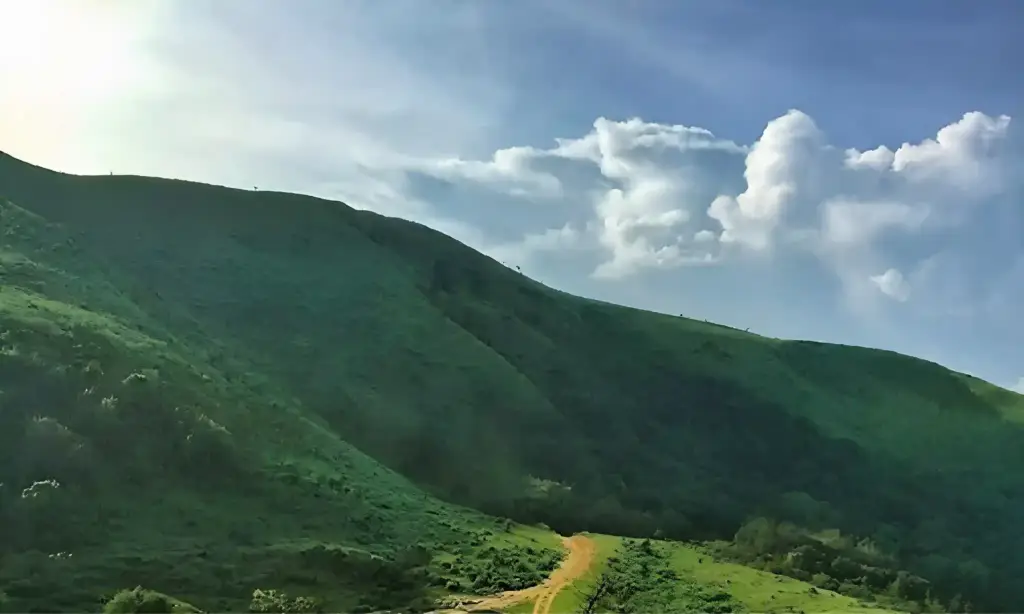
Kelagur Tea Estate is one of those rare places in Karnataka where heritage, altitude, and craftsmanship come together to make something genuinely world-class. The world’s highest grown Orthodox tea estate, hand-plucked organic leaves, a working factory you can walk through, mist-covered hills, and a family that has been doing this for nearly a hundred years — it is the kind of experience that stays with you long after the trip ends.
If you are planning your visit, stay at Astagiri Homestay. From here, Kelagur is a short, scenic drive away, and you can pair it with waterfalls, treks, and temples to make a complete Chikmagalur experience.